

Transition Planning
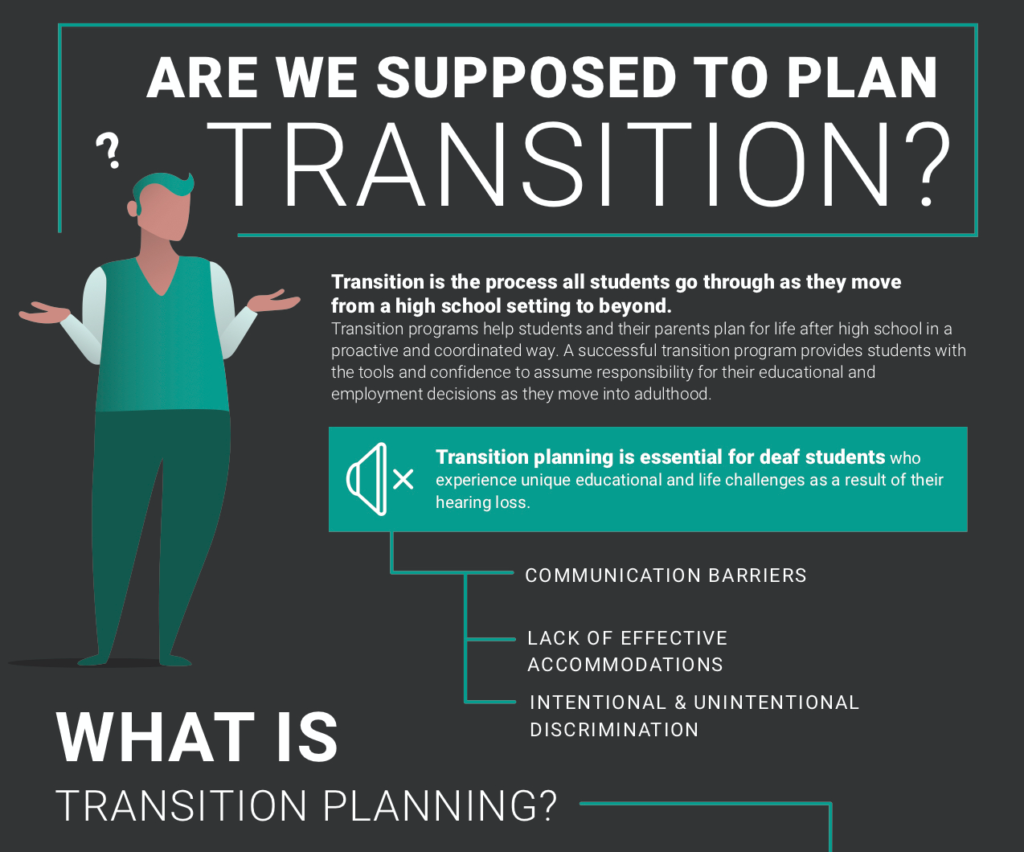
Transition is the process all students go through as they move from a high school setting to what lies beyond. Transition programs assist students and their parents as they plan for life after high school in a proactive and coordinated way. An effective transition program provides students with the tools and the confidence to assume responsibility for their educational and employment decisions as they move into adulthood.
Creating Access Infographic
Have you thought about access in various settings at your postsecondary institution?
We have resources to address some of the most common access situations that occur. Check out our Creating Access Infographic and visit the links there to learn more!
Interactive Process Tools: Checklist and Sample Questions for Deaf Students

The interactive process engages deaf people and disability services professionals in a collaborative discussion regarding the impact of deafness and any necessary accommodations to mitigate barriers in the environment. This process follows the Americans with Disabilities Act (ADA) guidelines set forth by the Department of Justice. The tools presented here are designed to guide discussions and encourage deaf people to express their experiences with accessing communication in a variety of scenarios.
Accessibility Laws: Section 504, IDEA, and ADA

Section 504 of the Rehabilitation Act, the Individuals with Disabilities Education Act (IDEA), and the Americans with Disabilities Act (ADA) work together to protect children and adults with disabilities from exclusion, discrimination, and unequal treatment in education, employment, and the community.
Research Summarized! Leveraging Community Resources

Strengthening community networks and connections increases social capital, the advantage gained through relationships and social networks. Social capital can help people navigate complex school and workplace situations.
Understanding an Audiogram (Tipsheet)
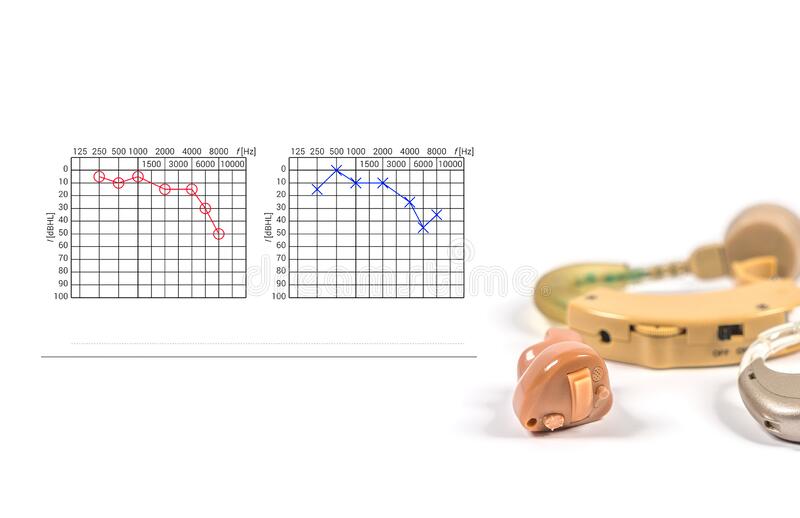
This tipsheet is one in a series of publications that addresses services provided to students who are hard of hearing. It offers information about how to read an audiogram, including the type, degree, and configuration of hearing loss.
Telecoils (Tipsheet)
This tipsheet is one in a series of publications that addresses services provided to students who are hard of hearing. It describes how telecoils, now available on both hearing aids and cochlear implants, can make a vast difference in the quality of sound for an individual with hearing loss. Although hearing aids and cochlear implants may be very effective alone, the hearing device by itself may not be able to adequately compensate when noise is introduced. Telecoils can maximized the effectiveness of assistive technology.
Speech to Text Services: An Overview of Real-Time Captioning

This online training provides a general overview of speech-to-text services. You can learn more about various types of speech-to-text services, delivery options, and how to access the appropriateness of the service for individual students.
Working With Students Who Are Late-Deafened

This tipsheet describes post-lingual deafness, which is often referred to as “late onset of deafness” or “late-deafened,” and offers suggestions that will help faculty and staff work more effectively with this population.
Counseling Students Who Have Usher Syndrome
This tipsheet offers information and creates awareness of access and adjustment issues facing students who have Usher Syndrome and are participating in postsecondary education.
Guide to Working With Deaf Students
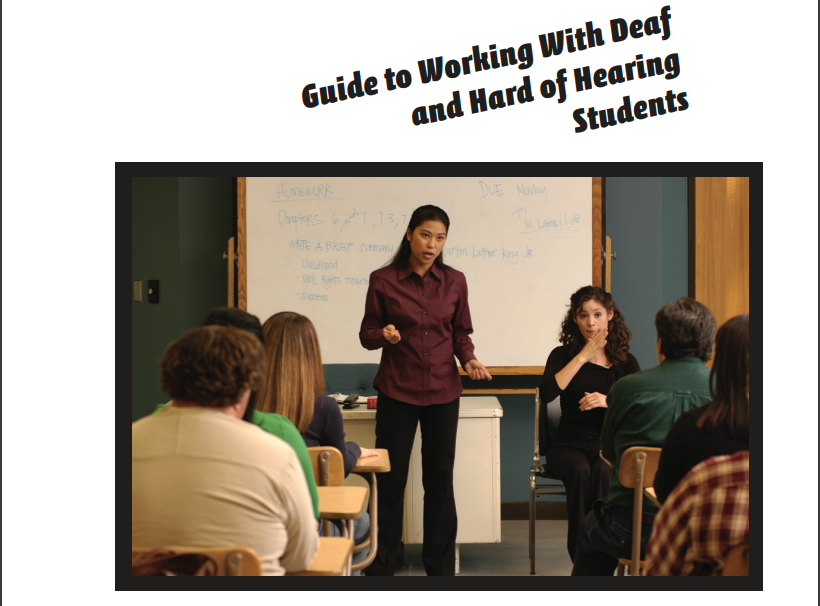
Would you like a convenient resource for general information about deafness, classroom accommodations, and communication tips? Designed for faculty and staff in secondary, postsecondary, and vocational/employment programs, this pocket-sized handbook can provide information for professionals who don’t have much experience interacting with deaf students. 30 pages.
Speech-to-Text Services: An Introduction
Today’s technology affords deaf people access to the world like never before. Speech-to-text is one example of technology that brings access to people who are visual communicators.