
Effective Communication
Effective communication affords deaf people the ability to share and/or receive information in a manner that is successful for them. Effective communication increases the opportunity for full and equal participation in any situation. Effective communication is fluid and allows all parties to receive and respond to information equally.
Assistive Listening Systems: An Introduction
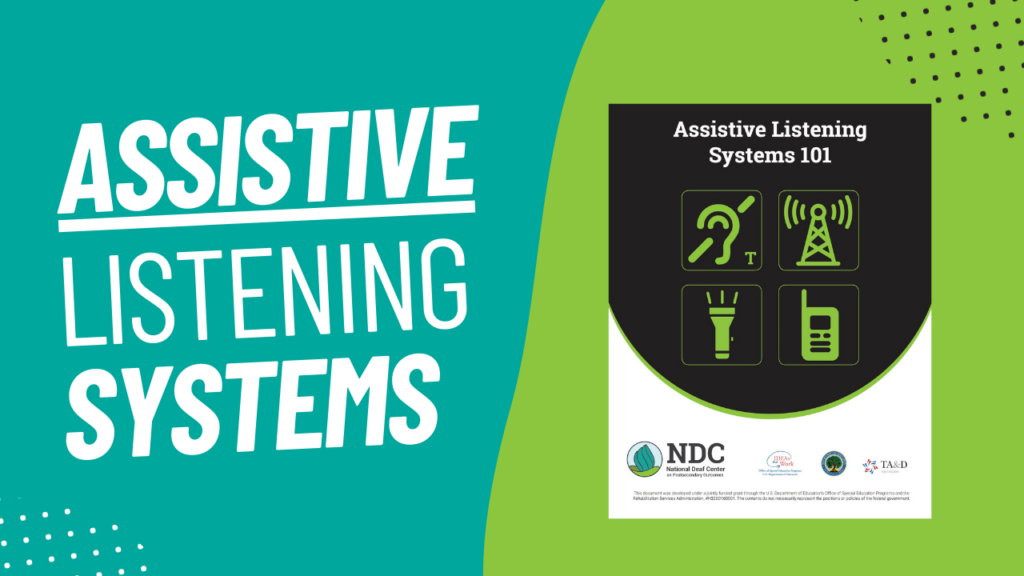
Background noise and distance from the instructor may present barriers for some deaf students. When this is the case, assistive listening systems can play a role in reducing or eliminating these barriers.
Creating Access: Study Abroad
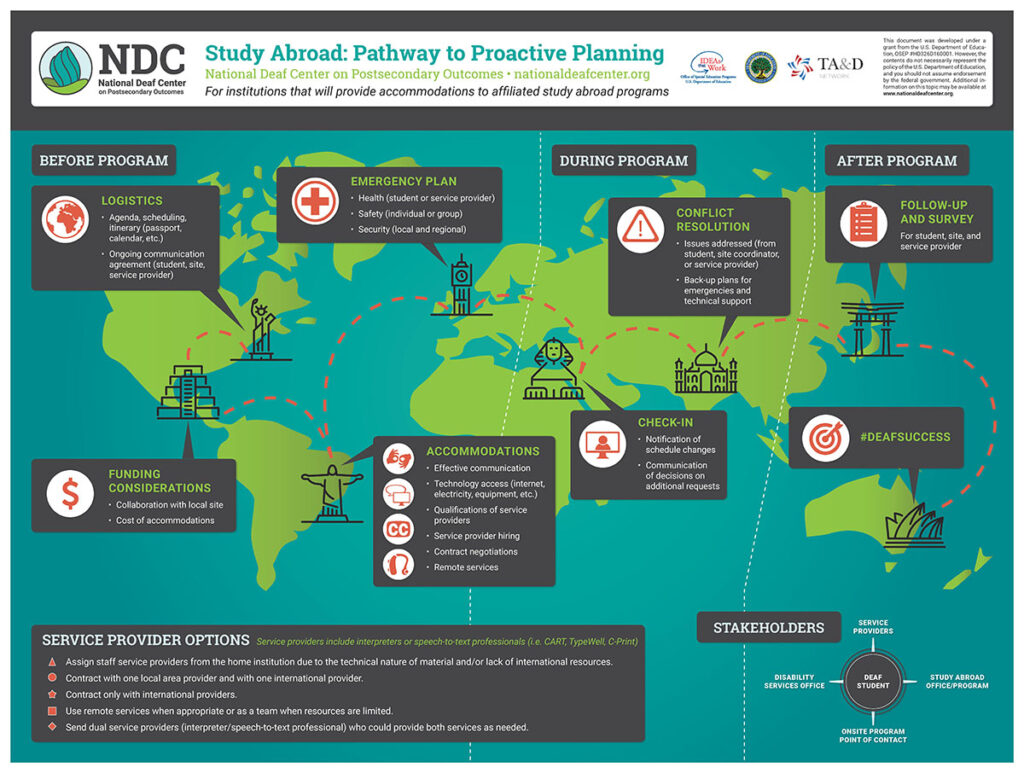
More and more deaf students are pursuing study abroad opportunities which often raises many questions for disability service offices on what steps to take. Study abroad experiences provide opportunities for students to learn essential social and professional skills to be marketable in today’s workforce.
Speech-to-Text Services: An Introduction

Today’s technology affords deaf people access to the world like never before. Speech-to-text is one example of technology that brings access to people who are visual communicators.
Americans With Disabilities Act (ADA) Video
This two-part video explains the Americans With Disabilities Act and how it applies to postsecondary education for students who are deaf.
Universal Design
The term universal design was coined by architect Ronald L. Mace to describe the concept of designing all products and the built environment to be aesthetically pleasing and usable to the greatest extent possible by everyone, regardless of their age, ability, or status in life.
Creating Access: Campus Visitors
All postsecondary campuses, including community colleges, vocational training programs, and four-year universities, must ensure their programs, activities, and meetings are accessible to all visitors.
Creating Access: Graduation Events

Graduation season is a busy time for disability service offices, and many professionals have questions about providing communication access at graduation ceremonies. The law is clear that institutions must provide access to public events and ensure an equitable experience for deaf people. The purpose of the following information is to assist postsecondary institutions in planning for communication access.
Visual Fire Alarms
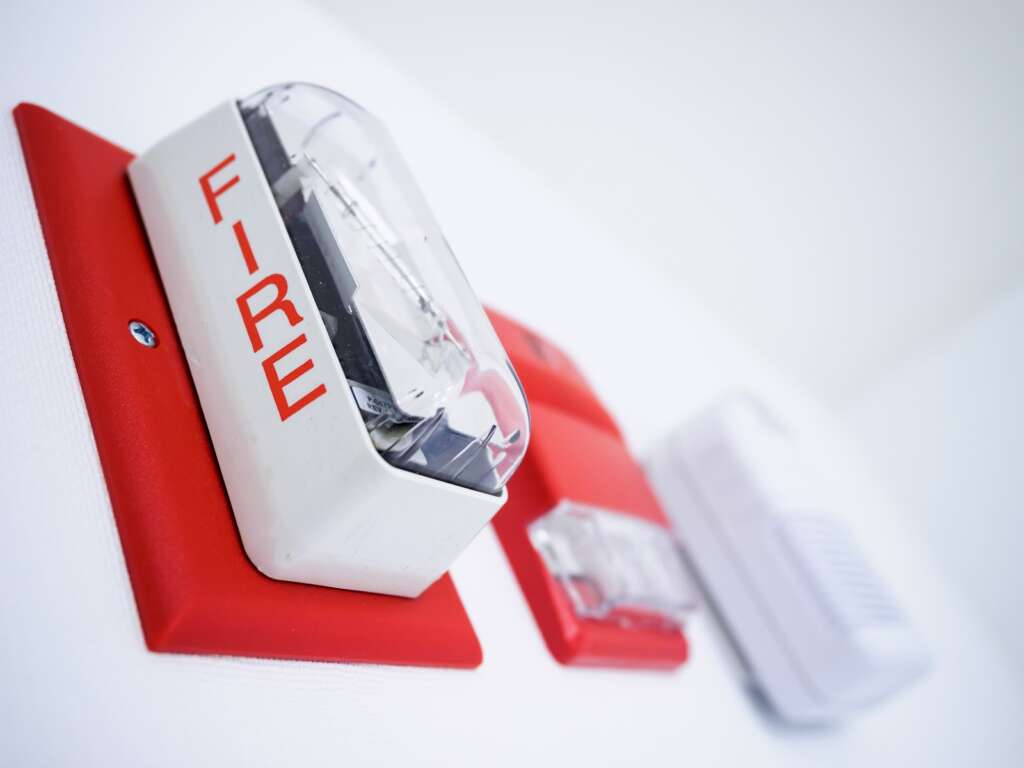
In today’s world, emergency preparedness is an important topic. Too often, deaf people do not have access to emergency alerts. Visual emergency alerting systems provide equal access and allow deaf people to evacuate safely during emergencies. Both the ADA and Section 504 of the Rehabilitation Act also mandate reasonable accommodations, which include visual fire alarms.
Telecommunications: VRS, VRI, and TRS

With technology always seemingly one step ahead of us, it’s easy to confuse the various telecommunication services used to visually connect hearing and deaf people who wish to communicate with each other. Three primary telecommunication services are in use today: (a) video relay service (VRS), (b) telecommunications relay service (TRS), and (c) video remote interpreting (VRI).
Telecommunications: Devices and Software
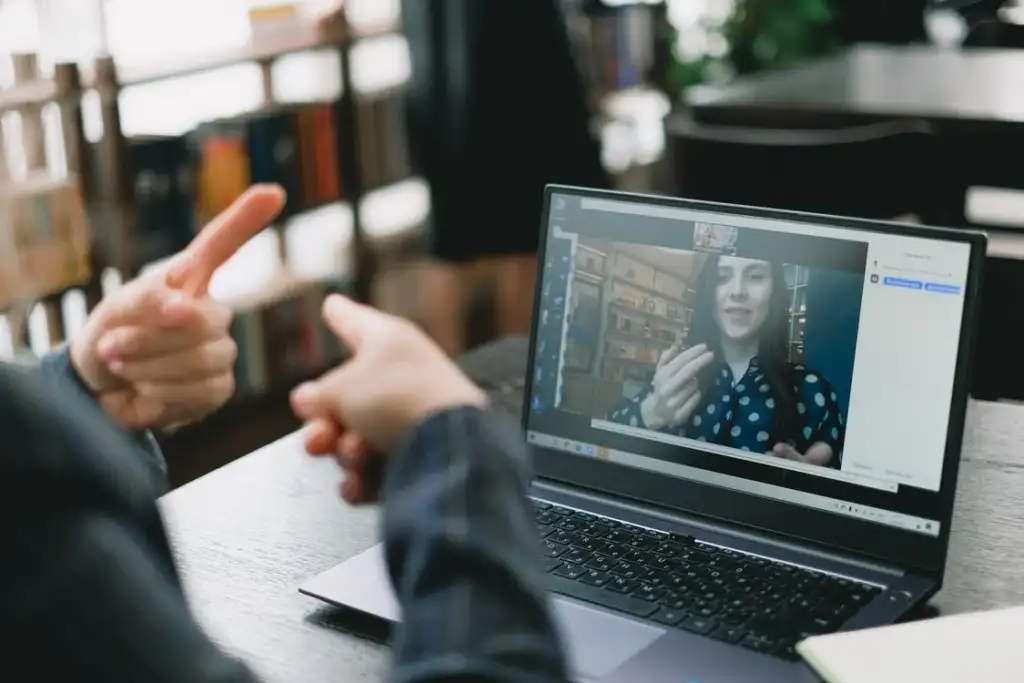
Telecommunication technology has significantly changed the communication landscape for deaf people. For more than 40 years, text telephones (TTY) and amplified phones were the only options. Today, videophones, smartphones, and instant messaging most often replace TTY as preferred communication tools.
Self-Advocacy: Navigating Disclosure in the Workplace

Deciding how, when, and why to disclose a disability to an employer is an important part of the job-seeking process. The decision can significantly affect one’s ability to obtain and maintain employment. The different stages of the employment process and the potential impacts of disclosure at each stage deserve thoughtful reflection.