

NDC
National Deaf Center
on Postsecondary Outcomes
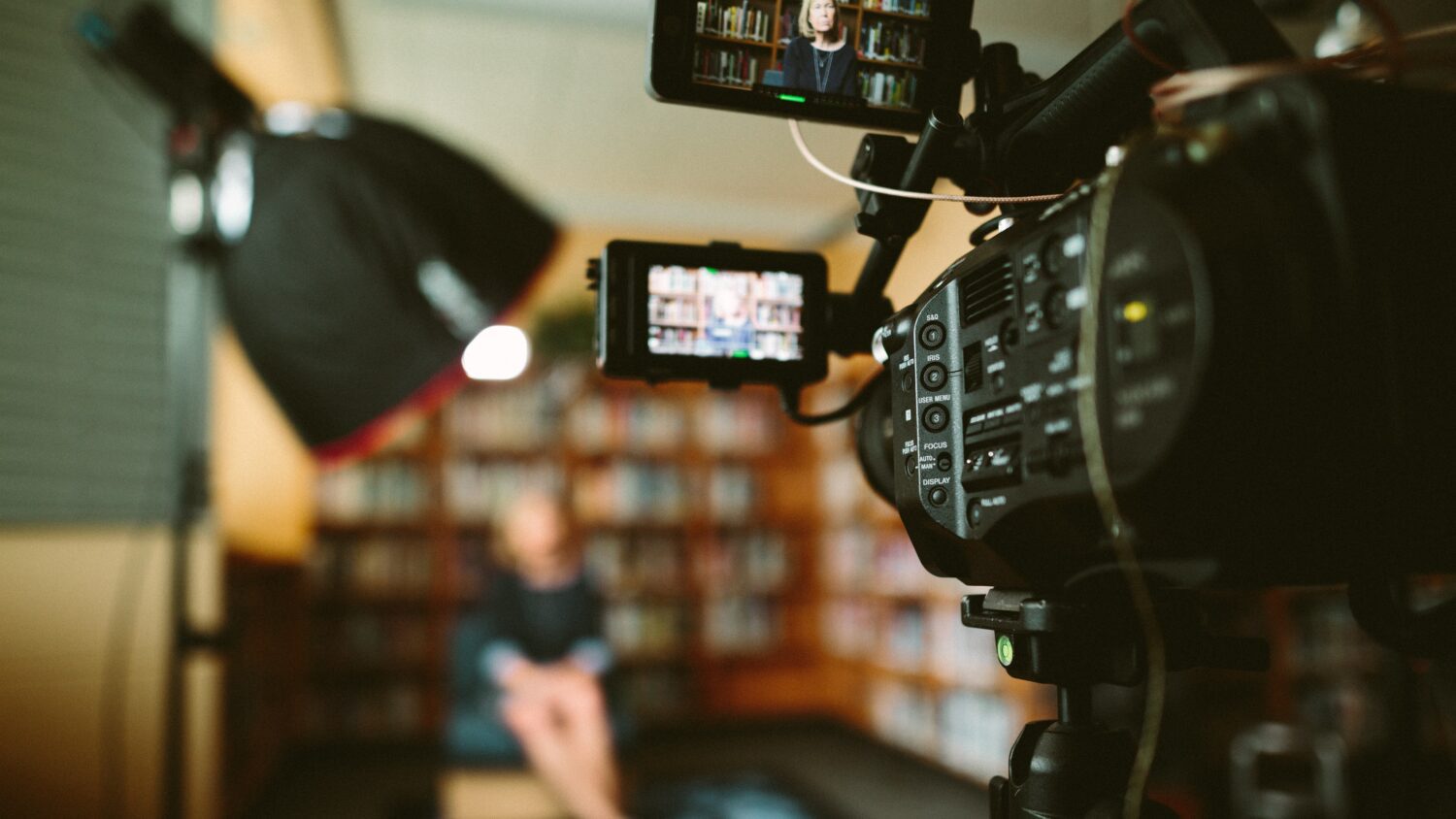
Captioned media makes video content accessible by showing text on the screen that represents audio. This text includes both spoken words and important sounds—like music, laughter, or a door closing—so viewers can follow along with everything happening, whether on‑screen or off‑screen.
For deaf people, captions provide equal access to the same information as hearing viewers. They also benefit anyone watching in a noisy environment, learning a new language, or simply preferring to read along. In short, captioned media ensures that video content can be understood and enjoyed by everyone. Captions can appear in:
Captions are also helpful when sound quality is poor, background noise is distracting, speakers in videos are using foreign languages, there is background music, or when videos include hard-to-understand words. That’s why more schools are captioning all media by default—captions benefit everyone!
There is evidence-based research in support of using captioned media without the need to specifically make a request. Captions are helpful for more than just access, it can dramatically improve one’s ability to retain and recall information from videos. Gernsbacher (2015) reviewed over 100 studies on captioned media and points out how captions benefit everyone, even those who already have English language fluency. This includes individuals with ADD/ADHD, learning disabilities, English language learners, and more.
The National Center on Accessible Educational Materials (AEM) also emphasizes that captions help everyone when:
Colleges and universities must ensure media is accessible to deaf people whether it is media for coursework (supplementary or required), videos posted on the institution’s website or social media, or other materials such as those available through the campus library. This also includes videos used for educational purposes that are not captioned by the original production company.
Many institutions are creating proactive policies for captioned media to avoid delays in access for deaf students as well as to support all students in universal design. When schools commit to captioning all media from the beginning, they prevent last‑minute stress and make the process easier for both students and staff. This proactive approach saves time, reduces individual requests, and creates a more efficient system.
The most effective plans rely on campus‑wide collaboration, with strong administrative support and consistent participation from all departments. Captioning is a shared responsibility—when disability services, IT, library staff, faculty, and administrators work together, campuses avoid costly fixes, ensure accessibility from the start, and build smoother, more sustainable processes.
That’s why more schools, workplaces, and streaming platforms now caption all media by default—because captions benefit everyone. In short, captioned media isn’t just about accessibility—it’s about inclusion and better learning for all.
To learn more, you can watch a recording of the “Coordinating Captioned Media for Your Campus: Learn From Others” virtual panel below.
