
Confused about speech-to-text services? We’ve Got You Covered.

C-Print, TypeWell, CART, automatic speech recognition — What is the difference between these services, and when is it appropriate to use each? Speech-to-text services (STTS) each have subtle distinctions which can be confusing.
A new, redesigned speech-to-text services resource page from the National Deaf Center on Postsecondary Outcomes (NDC) will help you understand different types of STTS, learn when and why certain STTS should be used, and where to find qualified service providers.
Building Relationships Using Interpreting Services

Communication is key to building relationships, and interpreting services can make communication between deaf and hearing people better.
We have compiled a bevy of resources to help you increase knowledge and awareness of the variety of interpreting services available, standard practices in the field, and strategies for coordinating interpreting services. Our goal is to help you provide the highest quality access services possible.
Statement on Anti-Asian Racism and Oppression
We at NDC are grieving with the Asian American Pacific Islander (AAPI) community and we support the members of the AAPI community and the deaf AAPI community in their calls for justice and reform.
Declaración sobre el racismo y la opresión contra los asiáticos
En NDC estamos de luto con la comunidad de AAPI, que recién estuvo traumatizada por la violencia interpersonal y el racismo. Los incidentes recientes fueron impulsados por una retórica basada en la supremacía blanca y reflejan la historia de opresión contra la comunidad AAPI.
College Matters: New Research Shows Better Outcomes for Deaf People Who Continue Their Education

Deaf people who attended college, university, trade school, or other postsecondary training did better in life — regardless of whether or not they graduated. This is according to a new paper published in the American Annals of the Deaf by researchers from the National Deaf Center on Postsecondary Outcomes and SRI International.
Learn How to Engage Deaf Communities in New Online Course

Successful community engagement is not a one-size-fits-all approach. Creating a positive impact in deaf communities — especially for deaf youth transitioning from high school to adulthood — requires knowledge and skills to facilitate conversations, earn and strengthen relationships, and develop action plans that prioritize deaf people’s needs.
Learn how in Engaging Deaf Communities for Systems Change, a new self-paced professional development course now available in the free online learning library of the National Deaf Center on Postsecondary Outcomes (NDC).
State Spotlight: Idaho Wins $55K Impact Grant to Establish a Food Truck Operated by Deaf Youth
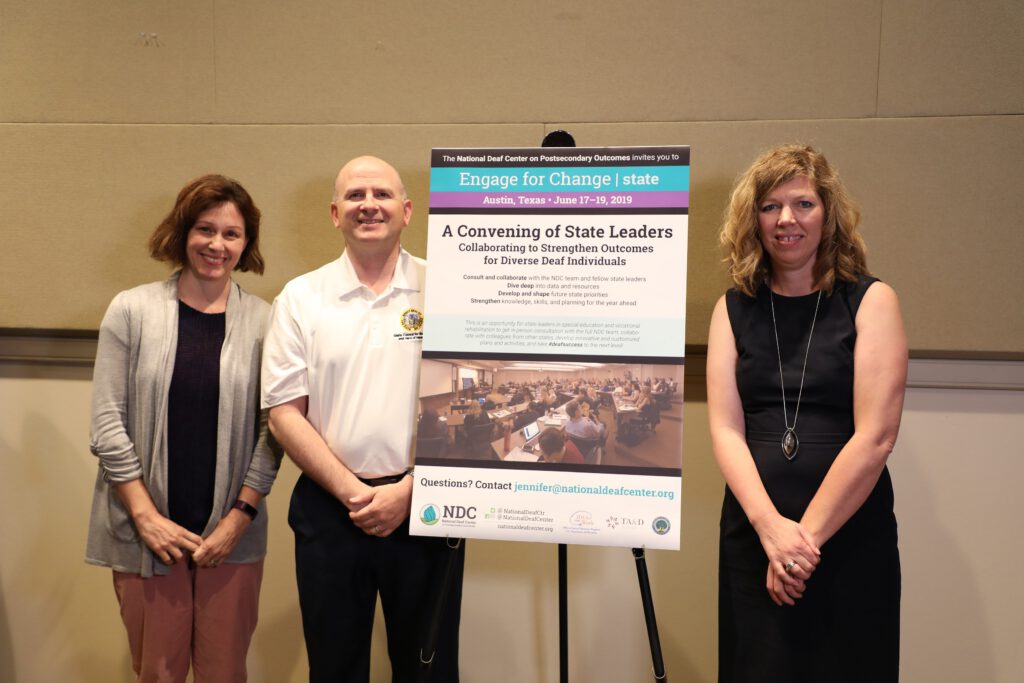
The Engage for Change | state (EFC) team from Idaho is known for being a model for others. Now, thanks to a partnership that includes funding from one of the nation’s biggest food companies, they are taking that to the next level as they prepare deaf youth for success after high school.
Room for Improvement: New Report Analyzes Vocational Rehabilitation Services and Deaf Americans
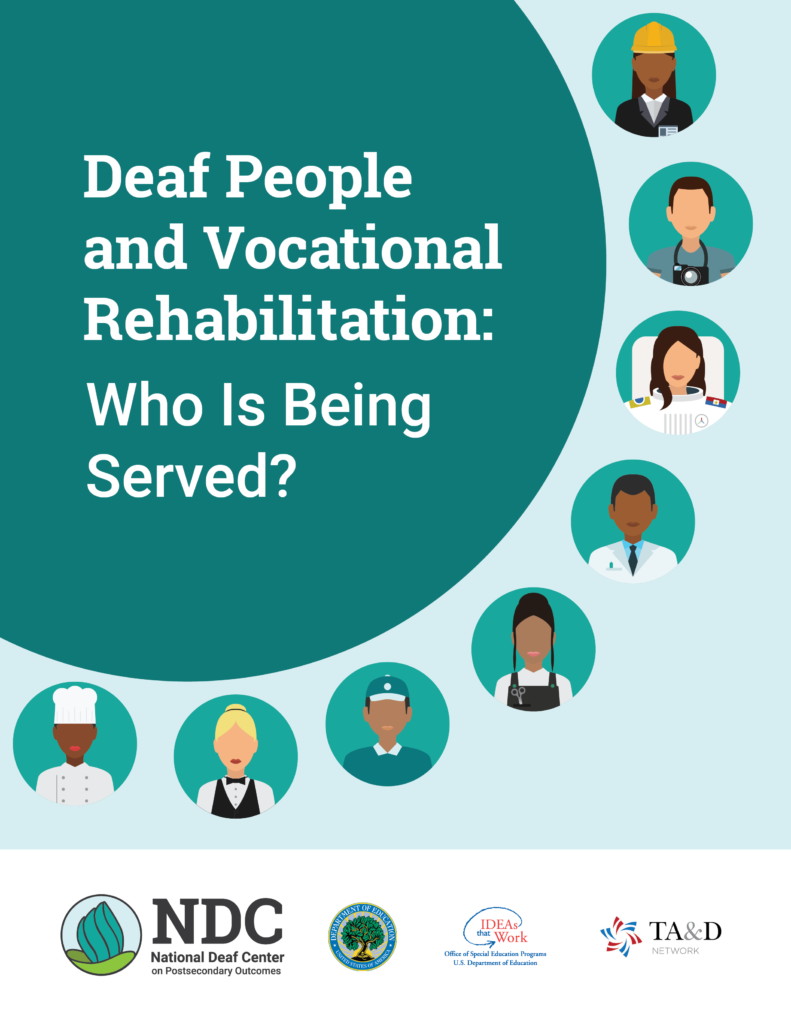
Vocational rehabilitation (VR) services are necessary for thousands of deaf Americans to successfully join the workforce, make career plans, and reach their employment goals. But U.S. VR agencies can do a better job of serving deaf people, according to a new nationwide report by NDC.
Auto Captions and Deaf Students: Why Automatic Speech Recognition Technology Is Not the Answer (Yet)
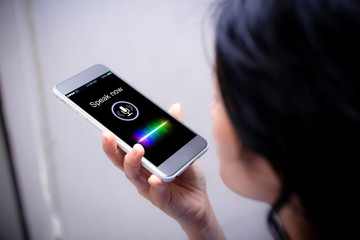
With the rapid shift to online learning due to the pandemic, many colleges and schools are relying upon automatic captions as a quick and cheap way to convert spoken words into text for deaf students in classrooms, events, and extracurricular activities. While this type of automatic speech recognition (ASR) technology may be effective for Alexa — to ask your home device to make a grocery list or set a reminder — it is a sub-standard option in educational settings and can have costly repercussions for institutions.
Raising Deaf Youth During COVID-19: Family Panels Reveal How to Engage and Encourage
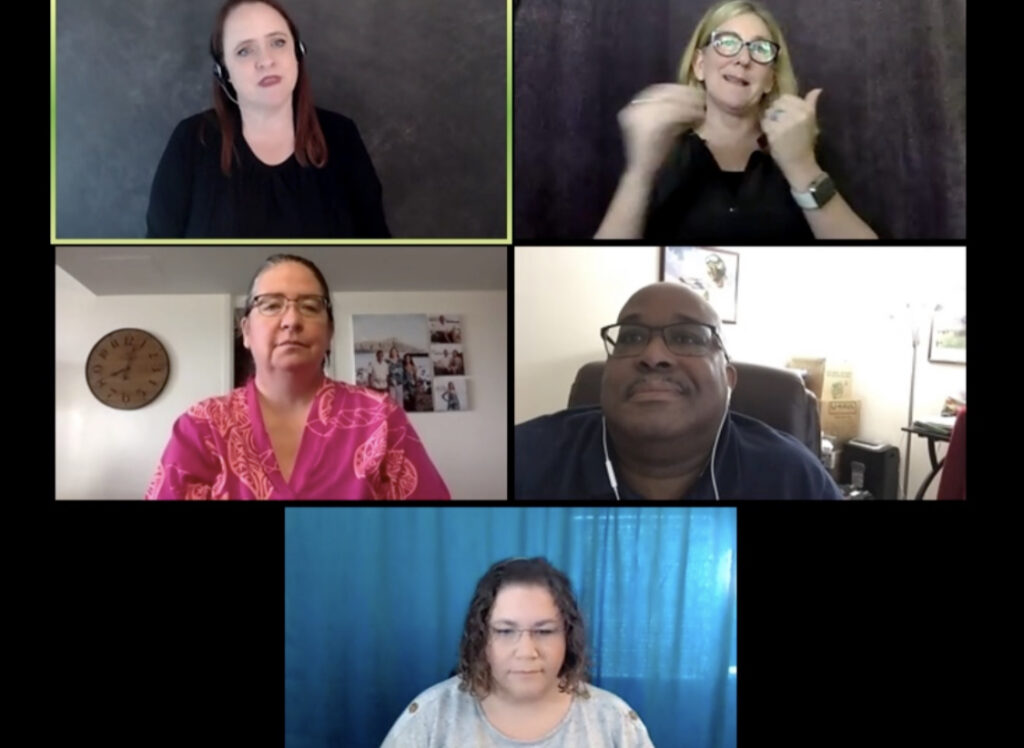
For deaf students attending high school and preparing to enter college or careers, COVID-19 is adding uncertainty to a time that, while exciting, is already challenging. That’s why NDC hosted two live online panels for families of deaf youth nationwide, to help them connect and learn from each other.
Experts Share VR Insights and Tips in New Video Series

Vocational rehabilitation (VR) support and services can be an important factor for deaf people in reaching employment goals, pursuing further education, and achieving success after high school. But understanding what’s available and getting through the doors of VR offices can sometimes be challenging and confusing.
Live Panel October 27: Accessible Instruction for Deaf College Students During COVID-19 and Beyond
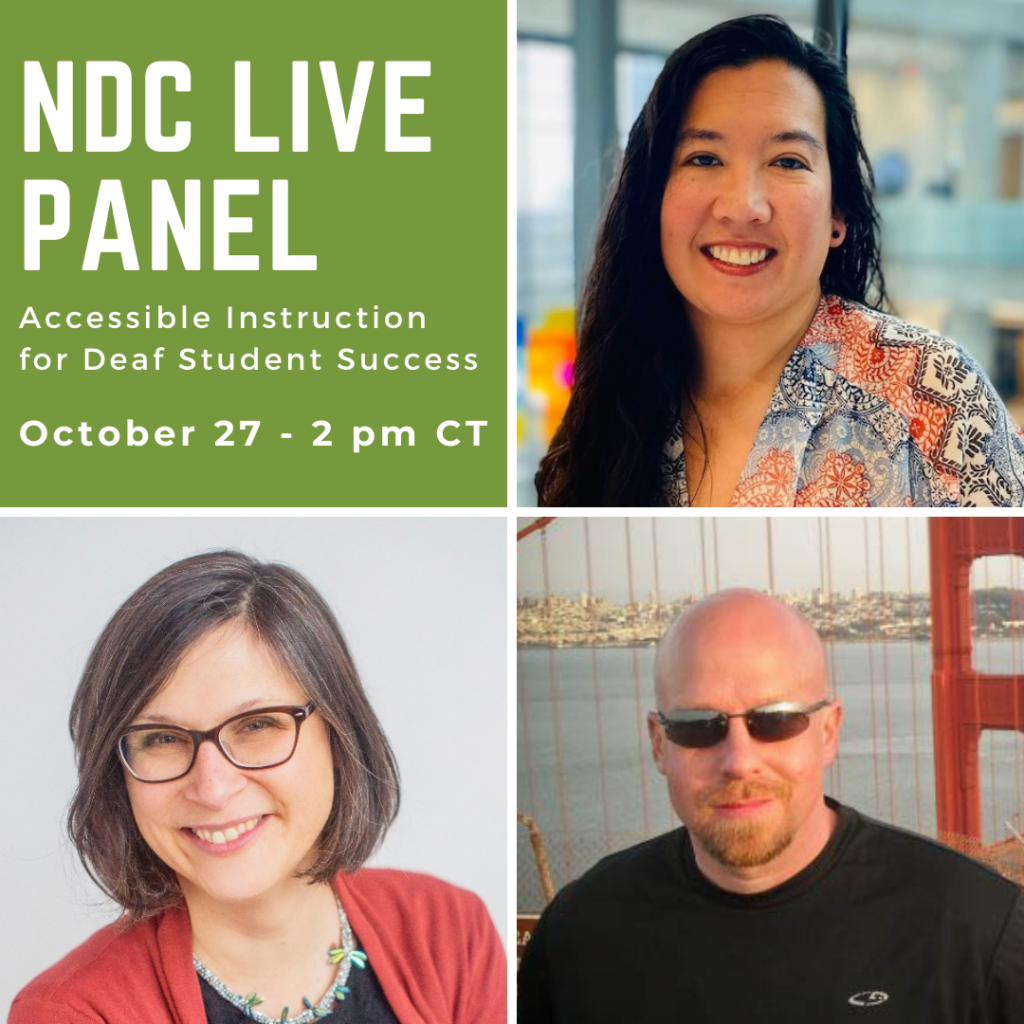
Ensuring that every student has access to your instruction is more important than ever, yet can be more challenging due to the pandemic — whether you’re teaching online, in person, or a little bit of both.