
If your goals are to create more opportunities and positive experiences for deaf youth, a well-designed mentoring program can help you achieve those goals, provide countless benefits for learning and growth, and fill a need — since such programs are in high demand, yet in short supply.
Learn how in Start and Build a Mentoring Program for Deaf Youth, a new self-paced professional development course now available in the free online learning library of the National Deaf Center on Postsecondary Outcomes (NDC).
In just three hours, professionals and community members can explore information and resources to consider before building new or strengthening existing mentoring opportunities for deaf youth and young adults — gaining valuable knowledge to share with families and other constituents.
Why Mentoring Matters
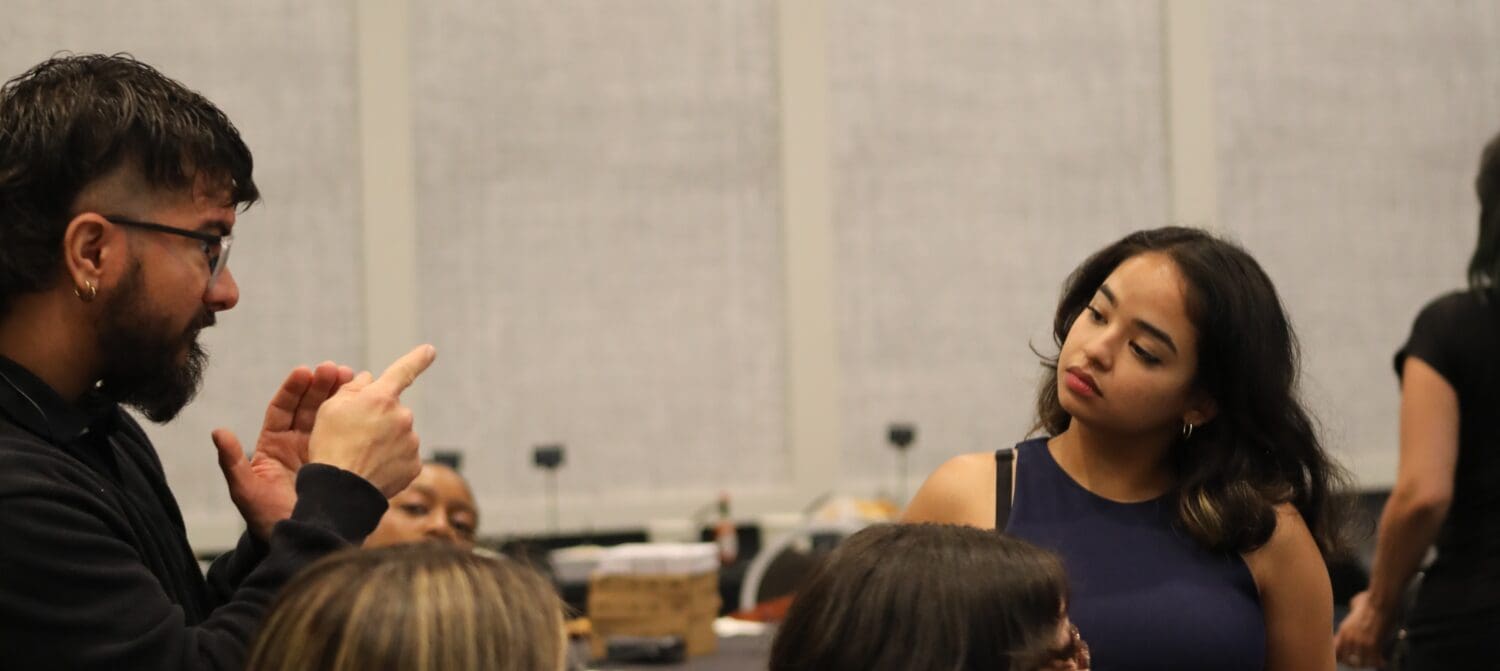
Deaf youth often lack access to deaf role models, experience negative attitudes and low expectations, and frequently attend mainstream schools where most or all of their peers are hearing, making academic and social settings difficult. When deaf mentors describe what they have learned from their shared experience of navigating the world as a deaf person, it is particularly impactful.
Research shows deaf youth who participate in mentorship programs develop greater confidence, self-worth, and deaf identity, which can in turn build self-esteem. They also develop better social relationships, stronger independent living and coping skills, and more expressive language.
The benefits can even extend to families. After working with deaf mentors, parents and caregivers become more optimistic about their deaf children’s futures — boosting parental expectations that can positively affect future employment, pursuit of postsecondary education, and independent living.
Effective Mentoring Experiences and Practices
In three one-hour modules, Start and Build a Mentoring Program for Deaf Youth uses evidence-based research, real-world examples, and useful resources ready for immediate implementation.
Module one explores the overall impact of mentoring and its contributions to the development of deaf youth. You’ll consider your own experiences with mentors, learn the types of mentoring, and understand how leveraging community resources can make a difference.
Module two focuses on the challenges and barriers involved with creating and sustaining mentoring opportunities. That includes exploring strategies for funding and recruitment, communicating clear expectations, and training mentors to be paired with mentees.
Module three examines effective mentoring practices and resources to sustain positive experiences, including integrating ethical principles and intentional yet flexible structures.
Unlike many other professional development opportunities that address working with the deaf community, this is a deaf-centered course. Created by the deaf-led team at NDC, it includes compelling experiences from deaf people, who explain firsthand the impact of mentoring and highlight the nuances that are essential to remember when working with a diverse deaf population.
Earn Professional Development Credits for Free
Start and Build a Mentoring Program for Deaf Youth is free and open to all. It is a self-paced professional development online course designed for professionals, community members, transition counselors, interpreters, and anyone interested in learning about creating a mentoring program. With a passing score of 80% or above, participants receive a certificate of completion and can submit it for 0.3 RID CEUs or 3 CRCC clock hours.