For deaf youth, summer camps bring opportunities to build relationships, develop their identities, and strengthen skills for the future. Whether they are day camps focused on coding, virtual programs in the arts, or overnight outdoor adventures, research shows that summer programs can have a significant, positive impact on the lives of deaf youth. Summer programs also contribute to a wide range of outcomes— such as isolation reduction—leading to improved social skills and opportunities to connect with deaf peers and role models.
In an effort to increase summer camp opportunities, and to emphasize the importance of these programs, NDC has a collection of evidence-based resources, a series of videos, and a form that you can add to our list of camps for deaf students.
The Positive Impact of Summer Camps for Deaf Youth
You might be wondering about why the existence of these programs is so important. For many deaf youth, summer camps designed with their needs in mind can be a safe haven that provides an accessible environment and develops their sense of self. Generally, there are many benefits to deaf-affirming summer programs, including (but not limited to):
- Accessible STEM programs
- Enhanced self-advocacy skills
- Deaf identity development
- Lasting friendships
- Transition skills as students consider future career and academic pathways
- Access to role models
Identity Development & Access to Language
Summer camps can provide deaf youth with opportunities for language acquisition, linguistic skill development, and an opportunity to encounter other modes of communication that they might not otherwise have been exposed to. Over 90% of deaf children are born to hearing parents, and these children can learn more about their identity and discover a sense of community by socializing with other deaf youth in an environment that fosters a sense of belonging.

“While attending Aspen Camp, I was among a diverse group of campers, from those who used ASL, to Signing Exact English. Campers from different academic experiences and environments all in one place, working together. They relied on me for my leadership, they relied on me for my ideas. That brought me to realize…what’s not to be proud of my deaf identity? If it wasn’t for those summer camps and having that mainstream experience, those things really made me who I am.”
— Alison
Accessible Environments that Foster Participation
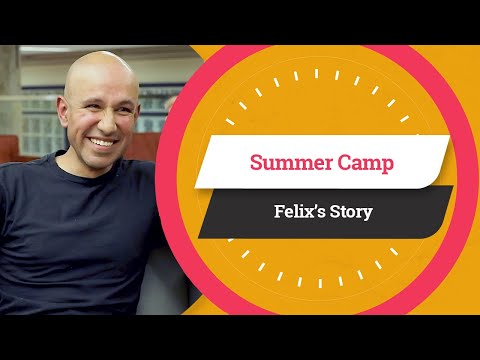
Youth with disabilities may feel left out at camps that aren’t set up for them. As Felix explains, his experience at a camp for deaf-blind people had a big impact on him. Designing camps accessible for everyone’s needs can make a big difference in the way students feel about themselves and their ability to succeed. These kinds of summer programs provide deaf youth with the opportunity to connect and form lifelong friendships, but it’s not just about making friends—it’s also about learning to stand up for yourself and your needs. These skills will come in handy later on, when deaf youth are thinking about college, jobs, or training programs. So, accessible camps aren’t just fun—they’re preparing kids for their futures!
“When I was first told about a deaf/blind camp in Washington State, I was enthralled. Upon arriving at camp, I was shocked at the number of deaf/blind people there. Roughly 75 to 100 people. There were all kinds of activities and things to do. For example, there was dancing, bowling, art, and so much more. I remember, on the last day as I was leaving, I noticed a new growing sense of pride in who I was.”