In many states, one Vocational Rehabilitation (VR) counselor may be responsible for supporting every deaf young adult navigating the transition into adulthood—often without peers, models, or a roadmap. Coordinating Pre-Employment Transition Services (Pre-ETS), referrals, and postsecondary employment planning across education and adult service systems can feel isolating, high-stakes, and deeply personal.
When VR professionals connect across state lines, they gain shared solutions, collective momentum, and clearer pathways for the young people they serve.
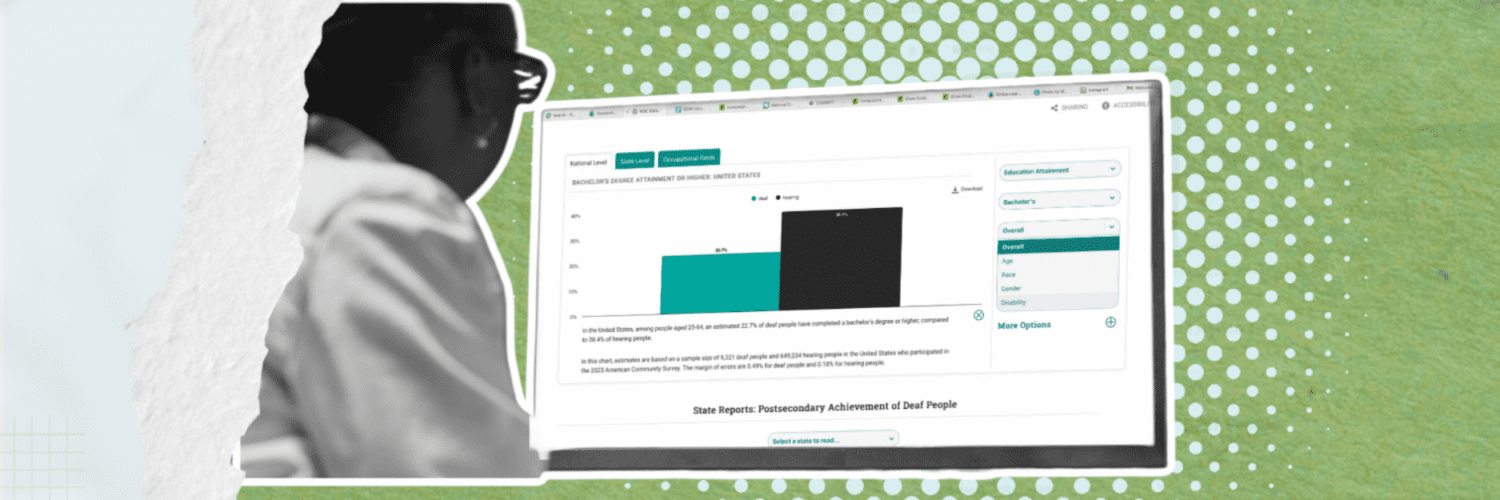
According to data from the National Deaf Center, 22.7% of deaf youth ages 16–24 are neither in school nor working—nearly double the national average of 12.6%. This level of disconnection means too many young people are entering adulthood without access to education, job opportunities, or support systems that prepare them for independent life. Strong, intentional transition services are critical for closing these gaps.
Building a Multi-State Learning Network
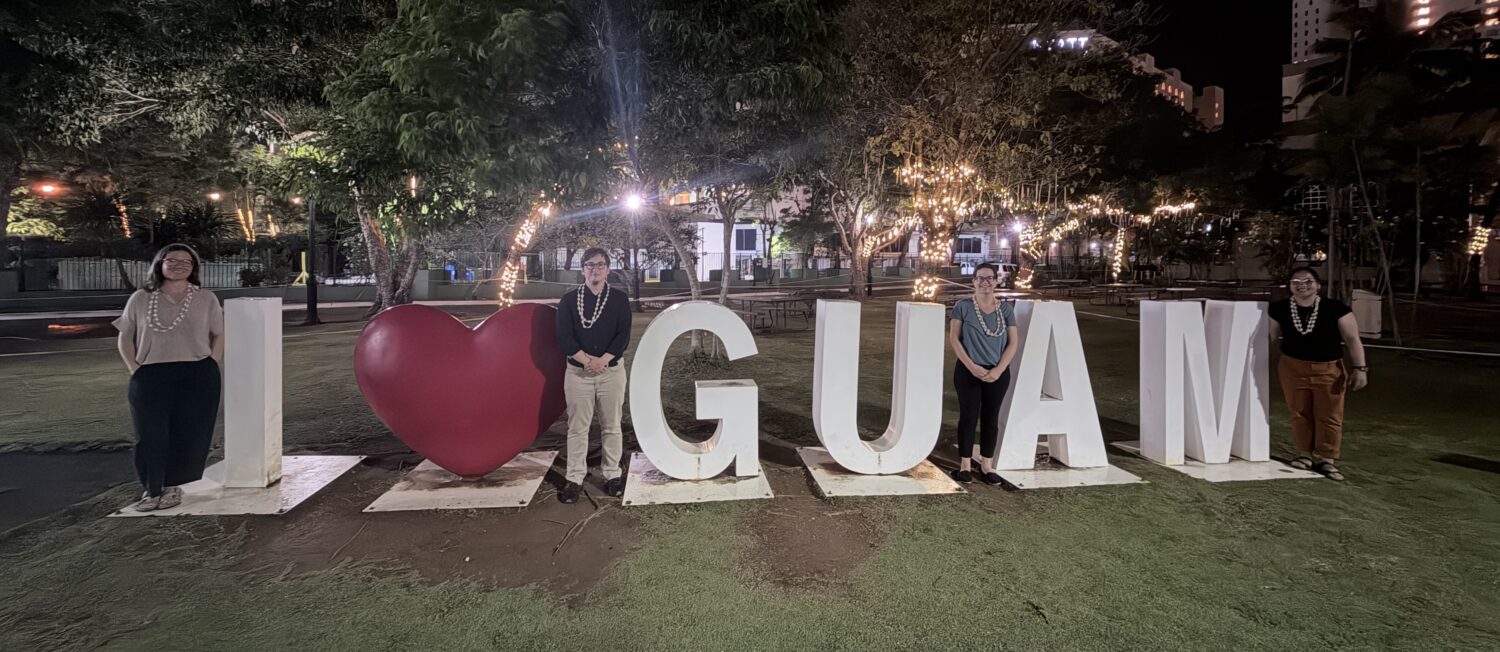
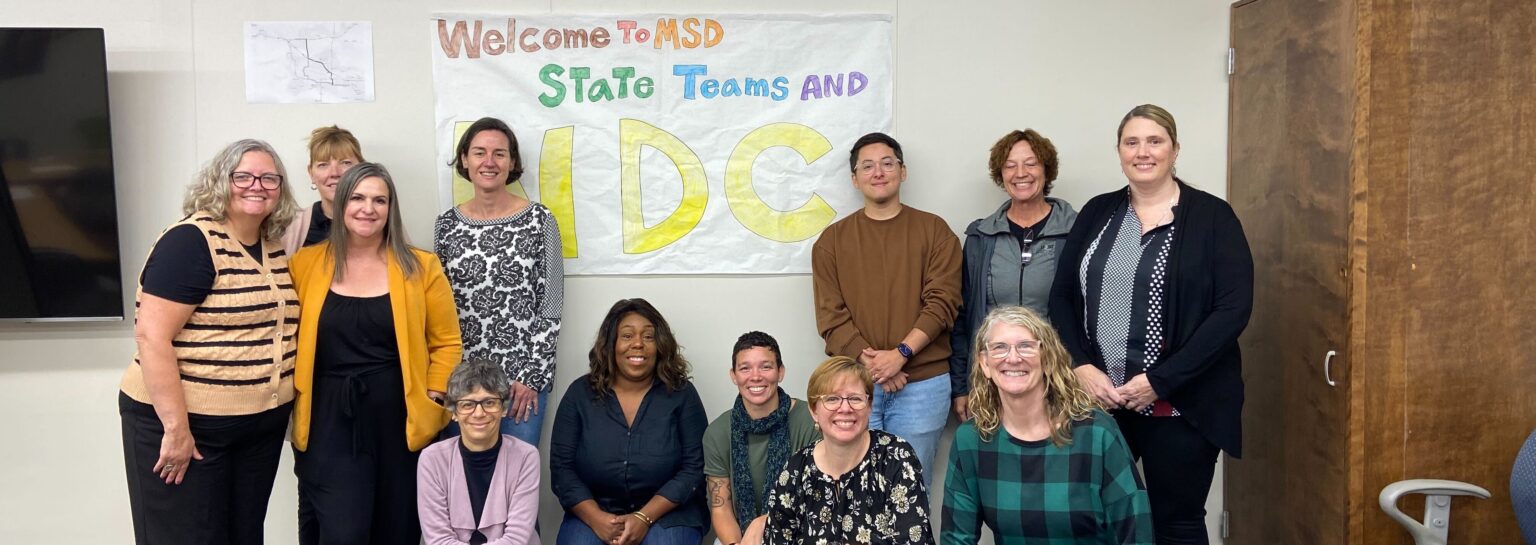
The National Deaf Center (NDC) brought together interagency state teams from Idaho, Texas, Maine, and Maryland for a multi-state site visit at the Maryland School for the Deaf (MSD). The visit allowed teams to share ideas, ask questions, and observe successful transition programs in action while learning directly from peers.
Participants represented Idaho Educational Services for the Deaf and the Blind (IESDB), the Idaho Division of Vocational Rehabilitation, the Maine Department of Health and Human Services, and the Maine Division of Vocational Rehabilitation. MSD hosted the convening, opening its Secondary Transition Services program for in-depth learning and discussion. Texas School for the Deaf’s ACCESS Program also participated, offering long-standing expertise in adult transition services.
Together, this mix of state schools for the Deaf, VR counselors, administrators, adult transition specialists, independent living instructors, and agency partners created a rich environment for collaboration and cross-state learning.
Strengthening Transition Systems in Action
States are actively building stronger, more coordinated transition systems for deaf young adults by aligning services, expanding capacity, and creating clearer pathways beyond high school.
For VR agencies, this type of coordination directly supports WIOA performance indicators by improving referral timelines, strengthening Pre-ETS delivery, and aligning transition planning with measurable postsecondary employment outcomes.
In Idaho, that momentum is already visible. The team is developing a comprehensive 18+ transition program centered around a new statewide Transition Center. They are also launching a focused strategic plan to guide services, partnerships, and long-term growth. To accelerate this work, Idaho is strengthening cross-agency coordination with vocational rehabilitation, community colleges, and local employers.
Why Connection Matters
For many VR counselors and administrators supporting deaf youth, the work can feel surprisingly lonely. Some are the only transition specialists serving deaf students in their entire region. Others have limited resources or no local colleagues who fully understand the unique needs of 18+ transition services.
National collaboration helps reduce that isolation. Through facilitated site visits, technical assistance, and implementation tools, NDC supported VR partners in identifying shared referral pathways, aligning transition planning timelines, and clarifying funding responsibilities between education and adult service systems.
The Idaho team shared that this is what made the MSD visit so valuable. Learning directly from Maryland and Texas, in both formal sessions and informal conversations, provided practical insights they rarely have access to locally.
Learning From What’s Working
For Davina Snow, Postsecondary Transition Coordinator at IESDB, having the opportunity to connect with peers in the field was both energizing and validating.
“It gave me more of a sense of connection,” she said. “Sometimes you wonder if you're on the right track. Meeting others who share the same passion and are making it work was reassuring.”
The visit created space for honest, peer-led conversations about what works—and what doesn’t—in building effective, sustainable transition programs.
From MSD, Jennifer Weeks and Lauren Wahl shared how their school extends support beyond traditional timelines, a strategy that resonated with other teams. From Texas, Beth Smiley brought insights from the ACCESS Program at the Texas School for the Deaf, where adult-focused transition services are helping young adults thrive after high school.
“Too often, students who are 18 and older get pushed aside,” Davina noted. “We’ve learned that starting earlier and extending services beyond 21 can make a real difference.”
Turning Collaboration Into Action
The Idaho team, including leaders from educational services, special education, and independent living, left with draft interagency referral protocols, aligned Pre-ETS service timelines, and shared language for funding 18+ transition services through VR-supported pathways.
These connections moved beyond idea-sharing and toward tangible systems change.
Why This Matters for VR Agencies
Cross-state collaboration can help VR teams:
- Improve referral coordination between schools and adult service providers
- Align transition planning with employment outcome metrics
- Strengthen Pre-ETS implementation timelines
- Reduce duplication of transition services across agencies
What Comes Next
The stakes remain high. According to data from the National Deaf Center, only 53% of deaf people are employed, compared to 75% of hearing people. High-quality transition services help close those gaps and strengthen pathways to employment, independence, and community participation.
The Maryland visit demonstrated what’s possible when states learn from one another and build sustainable networks of practice.
If your state is working to improve Pre-ETS delivery or align transition services with employment outcomes, NDC can partner with your VR team to provide implementation tools, technical assistance, and opportunities to learn directly from peer agencies.