

We're told that education pays off. Finish school, get a degree, and life gets a little easier: better health, more money, stronger relationships. But a new study from the National Deaf Center on Postsecondary Outcomes (NDC) asks a simple question that turns out to have a complicated answer: is that true for deaf people too?
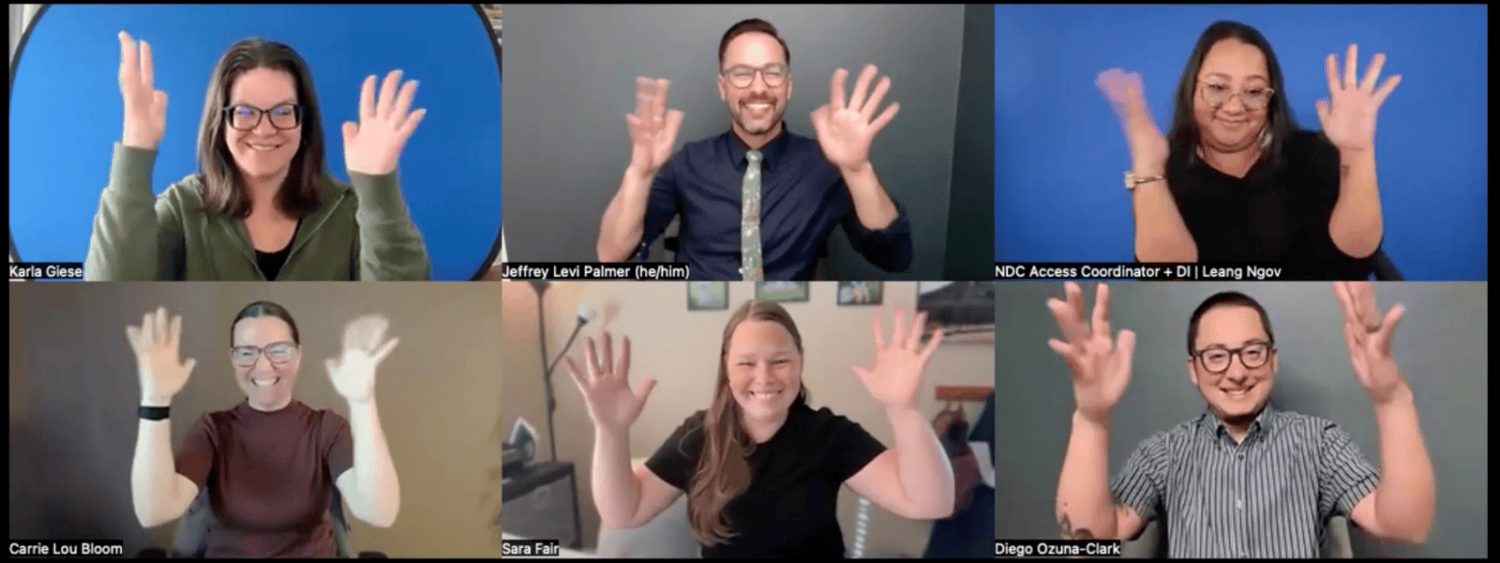
Dr. Jeffrey Palmer, Dr. Carrie Lou Bloom, Mary Sanderson, and Linling Shen published their findings in the European Journal of Investigation in Health, Psychology and Education. Using survey data from more than 36,000 adults nationwide, they compared deaf and hearing adults on three things: mental health, money struggles, and social support. The short version? Education still helps deaf people. It just doesn't help nearly as much as it helps hearing people, especially financially.
coming soon
What the Study Looked At
The team used data from the U.S. Household Pulse Survey, a large national survey, and focused on adults ages 25 to 54. They looked at three areas of well-being:
Psychological well-being
How often people felt anxious, worried, down, or lost interest in things
Financial difficulty
How hard it was to cover everyday household bills
Social and emotional support
How often people felt they had the support they needed
For each area, they asked whether more education actually predicted a better outcome for deaf people the same way it does for hearing people.
Key Findings
The benefits were real, just smaller than you'd expect, and they didn't show up consistently.
Deaf people with a college degree reported better mental health than those with a high school education or less.
Even some college, without finishing a degree, was tied to noticeably better social and emotional support for deaf people.
Financial difficulty barely budged with more education for deaf people. Hearing people, meanwhile, saw big financial gains from earning a degree.
"While education remains beneficial for deaf people, its protective effects are limited, likely due to persistent structural and communication barriers."
Why This Matters
We tend to treat education like a fix-all. Get more people through school, and other gaps close themselves. This study pushes back on that.
Deaf people are already less likely to receive a bachelor's degree. About 24% do, compared to 39% of hearing people. And for the deaf people who do graduate, that degree doesn't pay off the way it does for hearing graduates. The researchers point to workplace communication barriers, fewer mentors, and limited paths for advancement as likely reasons a degree doesn't translate into the same paycheck or job security.
One bright spot: deaf people who went to college but didn't finish still reported real gains in social support. That suggests being on campus, even briefly, builds connections that stick.
Bachelor's degree attainment
What Can We Do
Getting more deaf students into college isn't the finish line. This research suggests colleges, employers, and communities all have work to do to make sure that education actually pays off later on. A few places to start:
- Look past graduation rates. Support shouldn't stop once a student walks across the stage. It needs to follow them into the workplace.
- Build real communication access at work, not just in classrooms, so a degree can actually lead to career growth.
- Invest in mentorship and networking for deaf students, employees and graduates. A lot of hires and promotions happen through informal connections, and those connections often exclude deaf people.
- Value partial college experience. Deaf students who attend college without finishing still walk away with real social benefits. That's worth supporting, not writing off.
The bottom line from the researchers: getting more deaf people into college won't close these gaps by itself. What will help is tackling the structural and communication barriers deaf people run into, in classrooms, in hallways, and long after graduation, at work.
Citation
Palmer, J. L., Bloom, C. L., Sanderson, M., & Shen, L. (2026). When Education Pays Less: Psychological Well-Being, Financial Strain, and Social Support Among Deaf Adults. European Journal of Investigation in Health, Psychology and Education, 16(7), Article 103. https://doi.org/10.3390/ejihpe16070103