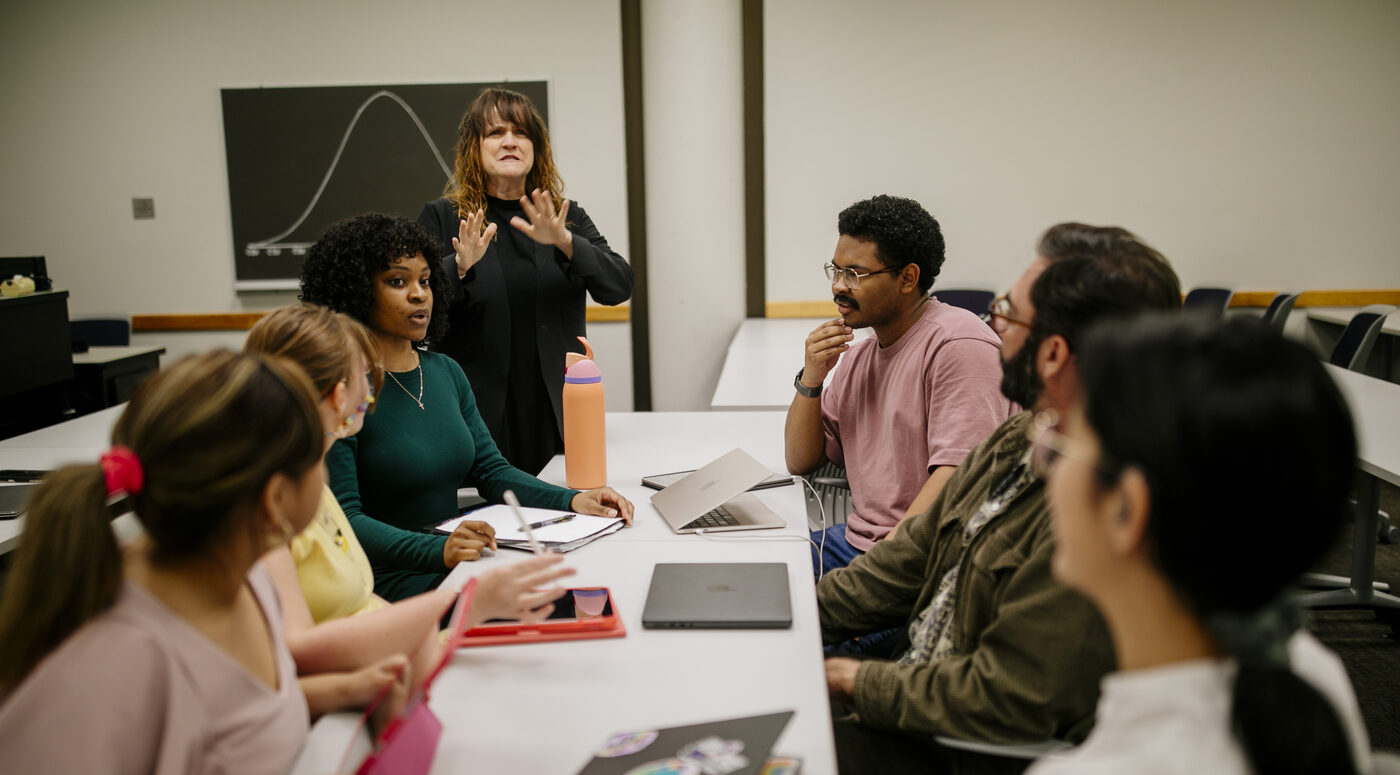


Coordinating effective accommodations and services for deaf students in a college setting requires careful planning, collaboration, and a commitment to fostering belonging. In this blog post, we will explore the essential steps involved in providing the best possible support for deaf students, ensuring accessibility, and a positive educational experience.
Tips for Coordinating Services for Deaf Students
If you are new to coordinating services for deaf students, we have put together the following tips that will provide a solid foundation from which to ensure effective implementation of accommodations and services:
Proactive Planning Is Key!
Proactive planning is the cornerstone of ensuring accessibility for deaf students. It involves exploring accommodation options, establishing comprehensive policies, and building relationships across the campus.
Understand the Legal Frameworks for Accommodations
Understanding the legal frameworks that protect the rights of deaf people is crucial. Equally important is recognizing that deaf students are experts in what works best for them. Concepts like ‘effective communication,’ ‘qualified’ providers, ‘subjective experience’ and ‘meaningful access’ are essential to ensuring accessible experiences for deaf students.
Adopt a Case-by-Case Approach
There is no one-size-fits-all approach for accommodations. Each deaf student’s needs and preferences can vary widely. Accommodation decisions must be made on a case-by-case basis, considering the unique needs of each student and the context in which they require accommodations.Engage in an interactive process with the deaf student to establish accommodation preferences, review past experiences, and anticipate future needs.
Promote Awareness Across Campus
Foster relationships across campus to increase awareness among staff, faculty, and other departments about accommodations and services, reducing barriers and fostering a positive environment for deaf students. Seek opportunities to establish a shared responsibility for accessibility in various departments, opportunities, and experiences.
Maintain Consistent Accommodation Practices
Establish clear policies and consistent protocols for requesting accommodations, notice requirements, communication, feedback mechanisms, and grievance procedures. Hire qualified interpreters or speech-to-text providers, with the proper training, credentials, and experience. Continuously monitor and evaluate accommodations and services. Collect feedback from students to assess effectiveness and make necessary adjustments.
Implement Feedback Mechanisms
Create a straightforward feedback mechanism with multiple submission channels, making it easy for students to provide input. Share feedback forms on the disability services office website, include links in email responses, and provide paper copies for students who prefer that method.
Coordinating effective accommodations and services involves a variety of components to ensure welcoming and accessible experiences for deaf students. A systematic approach that prioritizes lived experiences of deaf students and fosters campus-wide awareness sets the foundation for meaningful access and a supportive environment for all students.
Learn more about Coordinating Services or take the 1-hr online module, Coordinating Services for Deaf Students.