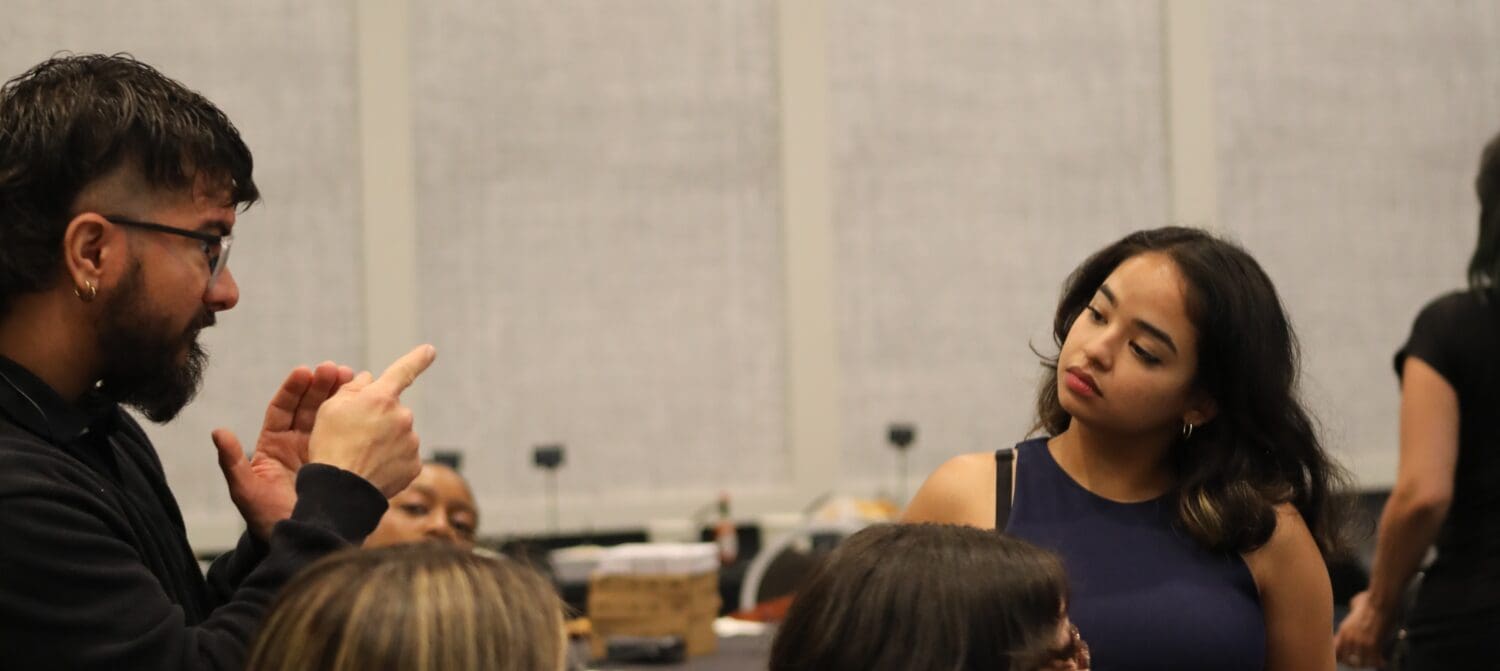

As the new semester begins, so does a whirlwind of preparation. Students, faculty and staff are all working together to ensure every student has the accommodations they need to thrive in the classroom.
In addition to opportunities to participate in various activities on campus for deaf students, don’t forget to include off-campus learning experiences as part of your planning. We’re here to help!
Valuable Real-World Experience
Internships and practicums are valuable opportunities for students to gain real-world knowledge and apply the skills they have learned through their coursework. At the same time, they provide the hands-on experience that sets them apart in the job market.
These environments also bring new challenges to providing accommodations and making sure deaf students have an equitable experience to their hearing peers. As our resource Creating Access: Internships and Field Experiences points out:
Under Section 504 of the Rehabilitation Act and the ADA, universities that receive any federal funding have a responsibility to provide accommodations for students with disabilities during internship, practicum, or clinical experiences.
Collaborate for Effective Planning
Just like on-campus accommodations, the process of determining the most effective accommodations depends on the student and environment. The key is to plan ahead and predict strategies to help reduce any barriers during the internship.
Planning for access should be a collaborative effort where the student, disability services office, and internship site coordinator work together to ensure everyone has the tools they need to make these unique learning experiences accessible.
While you may not be able to predict all the potential barriers that a student may encounter during their experience, create a process for reviewing the effectiveness of accommodations and make changes as needed.
Questions to Get Started
Here are some suggested questions to ask when planning for practicums and internships for deaf students:
-
How will the deaf student communicate with others in the following settings?
-
One-on-one meetings
-
Group/staff meetings
-
Informal settings
-
Phone calls
-
-
In what situations during the internship can the deaf student anticipate any difficulty with understanding other people (with or without accommodations)?
-
What are the student’s strategies for communicating with internship staff when an interpreter or speech-to-text provider is not present?
-
Is the student willing to work with remote providers for certain meetings/situations if an on-site provider is unavailable for last-minute requests?
-
What accommodations (other than interpreters and speech-to-text providers), would be needed to perform the essential functions of the internship?
-
Who will be the contact person for all accommodation requests?
-
Is access available for multimedia or audio-based content?
-
If there are problems or challenges with accommodations on site, how should they be handled?
Resources for the Employer
Finally, field placement experiences for deaf students may also be the first time that hearing people are working with someone who is deaf.
NDC offers several resources to help educate hearing staff that will be working with a deaf intern. Those resources can be accessed by going to the Deaf 101 page on our website. Additionally we offer a free online course for anyone who wants to learn more about deaf people, including effective ways to communicate.