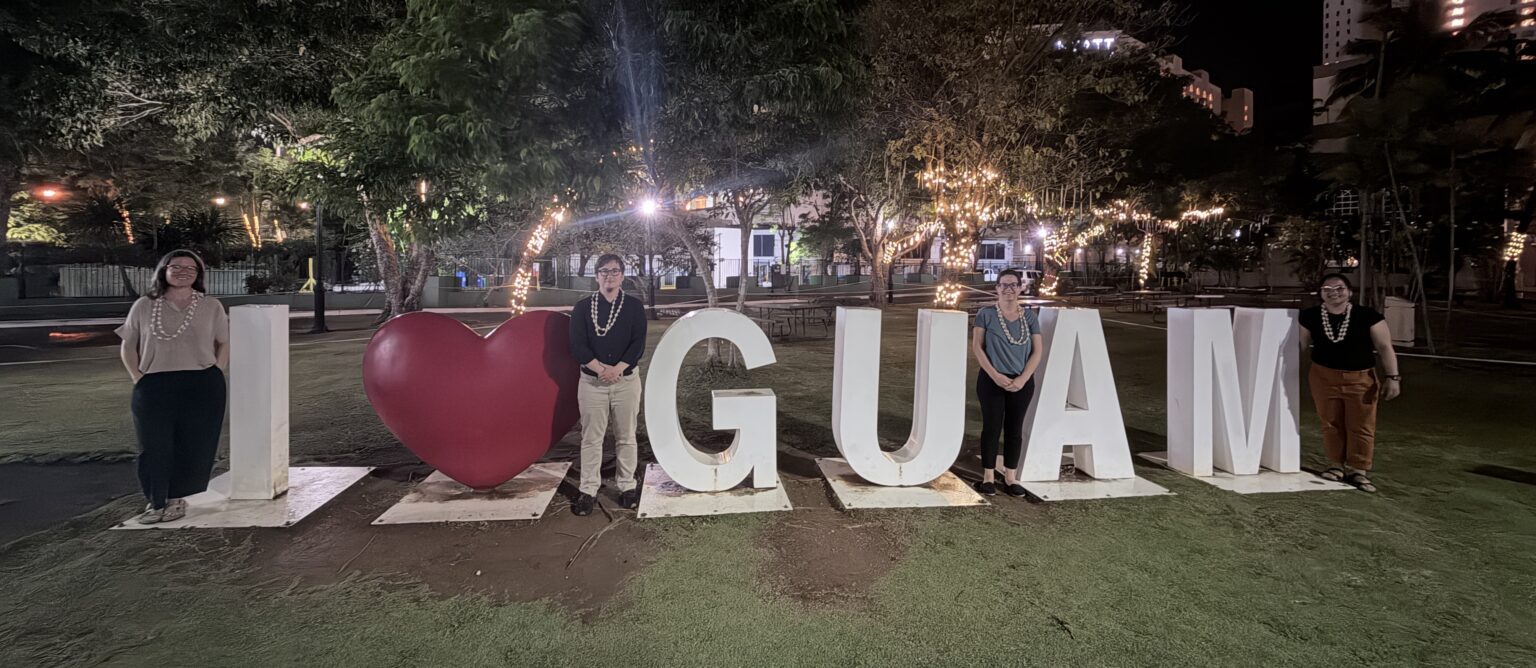
In U.S. territories like Guam and the Northern Mariana Islands (CNMI), the number of deaf people may be small—but the need for access, opportunity, and long-term support is no less critical. In February 2026, the National Deaf Center (NDC) worked alongside educators, interpreters, higher education partners, and community members to support ongoing efforts to strengthen capacity to serve deaf people across the islands.
What stood out most was the level of commitment—and the reality that much of this work is being carried by too few people.
Commitment is Strong. Capacity is Stretched.
Across Guam and CNMI, deaf education teachers, interpreters, and administrators are deeply invested in their communities. Many are serving students and families while balancing multiple roles, limited staffing, and island-wide needs.
“GDOE's partnership with NDC over the past seven months has been invaluable to our Department’s commitment to strengthening services and supports for students who are deaf,” said Elizabeth Calvo of the Guam Department of Education. “The collaboration has helped enhance professional development opportunities for educational interpreters and bridge gaps through coordination with key partners.”
A consistent message emerged across conversations: a small number of dedicated professionals cannot meet the needs of an entire island alone. Sustainable access requires coordinated systems, shared staffing approaches, and leadership alignment across agencies, schools, and programs.
Preparing Systems, Not Just Plans
Partners across the islands are actively working to strengthen access, but they were clear that success depends on preparation. Access takes preparation. That preparation includes shared awareness, the right infrastructure, and concrete, coordinated action.
This groundwork is especially important in island contexts, where workforce pipelines are small and turnover can have an immediate impact.
Capacity Building in Action
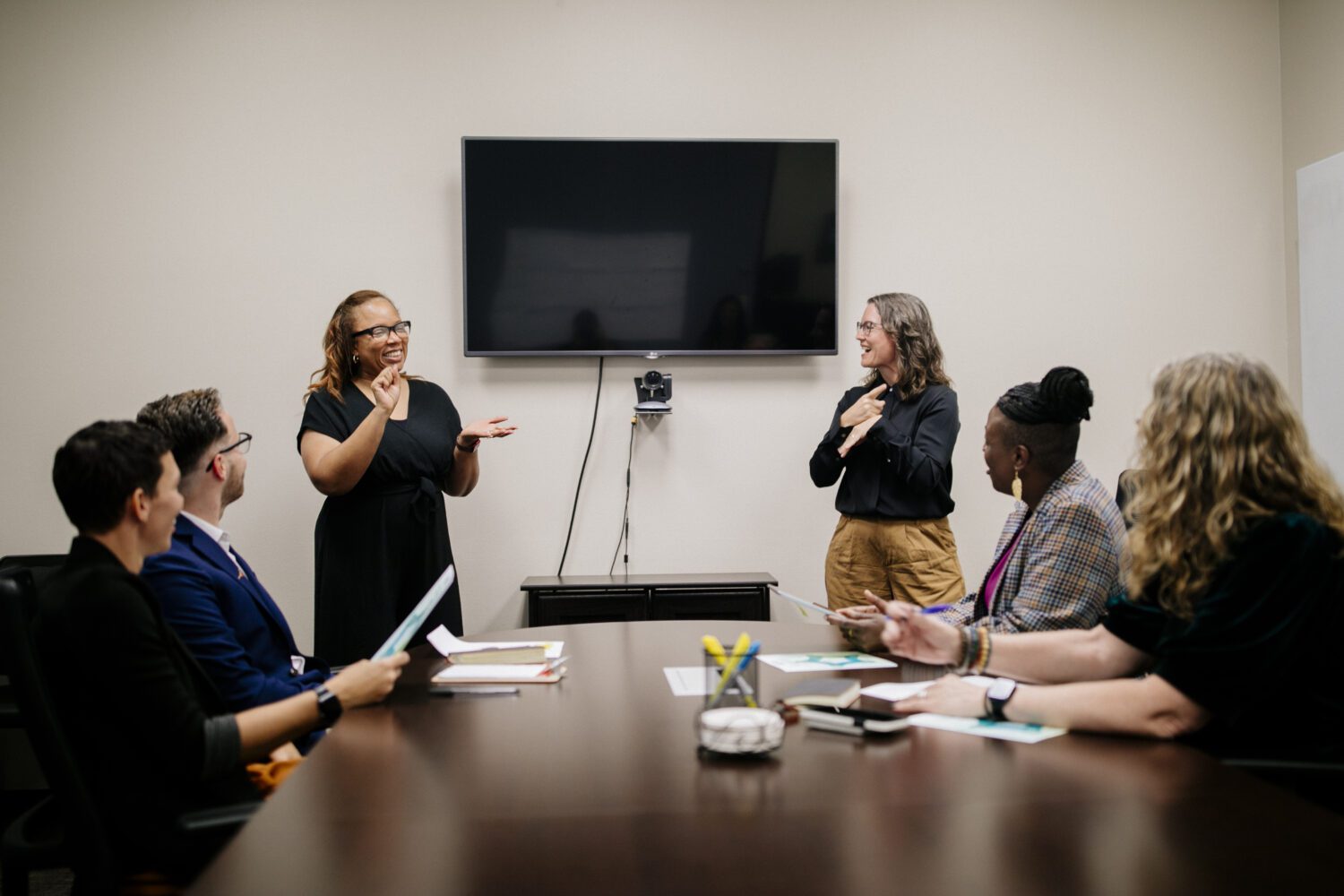
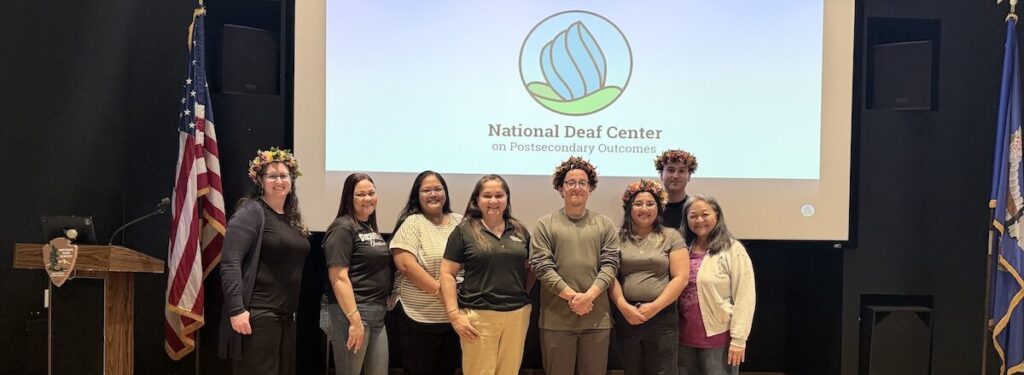
In Saipan, a full-day training brought together educators, aides, and interpreters to build deaf awareness and practical classroom strategies. Elementary teachers practiced basic ASL and discussed small, meaningful changes—such as visual supports and clear communication routines—that can better support deaf students preparing for life beyond school.
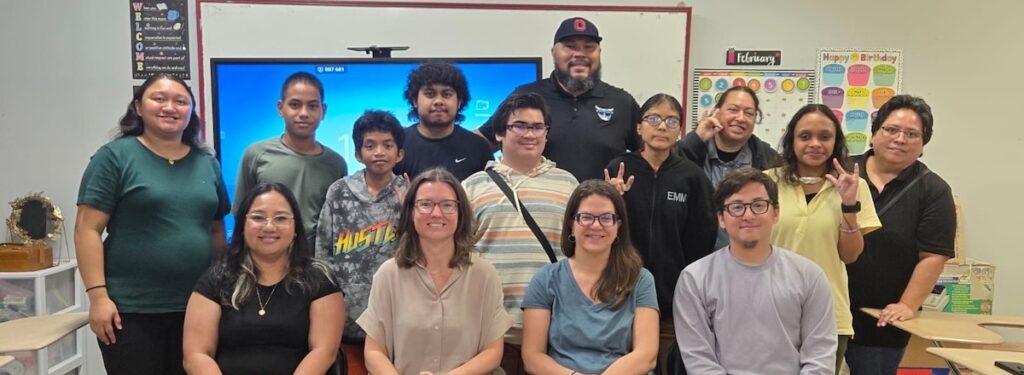
In Guam, school visits and trainings created space for teachers, interpreters, and administrators to reflect together on what is working and where additional support is needed. These conversations reinforced the importance of coordination across schools, colleges, and agencies so that access does not depend on individual effort alone.
“NDC has helped bring greater awareness of resources supporting the Career Tech Deaf Academy program that launched in 2023,” said Kirsten Rosario, sign language interpreting professor at Guam Community College. “They’ve also opened opportunities for interpreting students to engage in real-world situations that strengthen access for deaf individuals across our island.”
Islandwide Coordination Matters
NDC’s work focused on supporting coordination across systems, including education, workforce preparation, and higher education. Conversations highlighted the need for islandwide approaches to interpreter capacity, accessibility planning, and long-term workforce development—rather than isolated or short-term solutions.
Partners across Guam are also working toward stronger islandwide commitment to the Language Access Plan, recognizing its importance for strengthening access across education, higher education, and public services. NDC will continue supporting these efforts alongside island leaders, including ongoing collaboration with the University of Guam as the work moves forward.
This kind of coordination depends on shared leadership and collaboration across agencies and institutions.
Looking Ahead
The work underway in Guam and the Northern Mariana Islands shows that the commitment is already there. What comes next is continued coordination, shared responsibility, and strong partnerships to ensure access is not dependent on a few individuals, but built into the systems that serve the islands. NDC will remain actively engaged alongside island partners—supporting planning, coordination, and long-term strategies that strengthen access and expand opportunities for deaf people across Guam.