A deaf student might be in a large high school with a full support team. They might be in a rural district where they are the only deaf student in the building. They might use an interpreter every day, or they might not use one at all. They may have a transition planning team that understands deaf access well — or they may be surrounded by adults who care deeply, but have never been given deaf-specific tools.
That is why transition planning cannot sit with one person.
Every adult who interacts with a deaf student has a role in helping them prepare for life after high school:
- Teachers
- Itinerant teachers
- Counselors
- Case managers
- Interpreters
- School staff
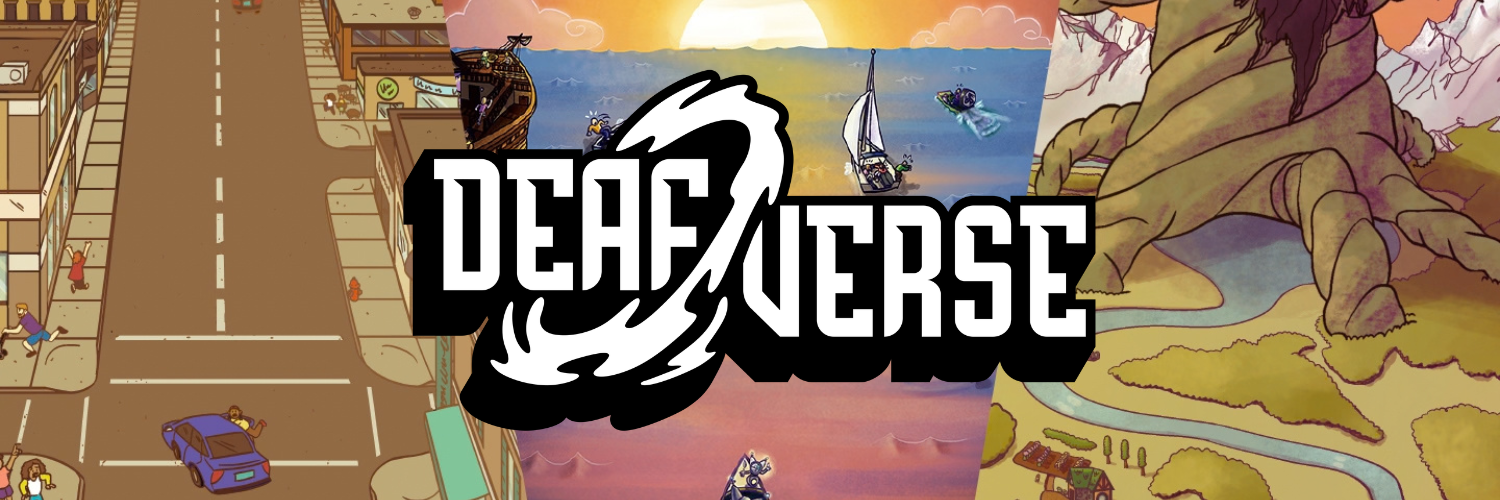
Transition planning is not just about checking off graduation requirements. It is about making sure deaf students know their rights, understand their options, practice self-advocacy, access tools like Deafverse, and see deaf professionals thriving in a wide range of careers.
The question is not whether deaf students can succeed. They can. The real question is whether the adults around them are helping make the next step visible, accessible, and possible.
Why Transition Support Cannot Wait
22.7%
of deaf youth ages 16-24 are not in school or working — nearly twice the national average.
That number is not about ability. It is a reminder that students need transition support before they leave high school, not after.
For special educators, transition teachers, and school teams, that means the small things matter: naming access needs early, connecting students to resources, building self-advocacy, and making future pathways easier to see.
That is where deaf-informed transition planning can make a difference.
Four Ways to Build Transition That Brings Out Deaf Student Strength
Make communication access part of every professional opportunity.
When your deaf student shadows a job, interns, or tours a college with coordinated communication access (interpreters, speech to text services, or assistive technology), something shifts. Employers see capability. The student sees themselves as a professional. This signals: Your communication needs are normal. You belong here. The National Deaf Center’s Accommodation 101 course walks you through planning and implementing access—a practical foundation for this work.
Center deaf student strengths in your transition planning language.
The most powerful IEPs aren’t built around what deaf students can’t do—they articulate what they will do. Use language grounded in deaf student strengths: technology fluency, direct mentorship with deaf professionals, planned pathways to employment or postsecondary education that align with their vision. The National Deaf Center’s Self-Advocacy Toolkit helps students name their strengths and goals, giving you the foundation for IEPs built on possibility.
Connect students with deaf role models and mentors.
One conversation between your deaf student and a deaf accountant, engineer, nurse, or entrepreneur can reshape what’s possible in their mind. It says: Your future is real. People like you are doing this. Reach out to local deaf organizations, professional networks, and colleges with strong deaf communities. These mentorships aren’t extras, they’re essential to helping deaf students envision and pursue meaningful careers.
Open all pathways forward.
Deaf students succeed in college, trade work, apprenticeships, and direct employment. The strongest plans start with the student’s goals, then build the access and support needed to reach them. When you move away from one-size-fits-most transition planning and toward student-centered pathways, deaf students flourish. The National Deaf Center’s Transition Planning for Deaf Youth guide includes frameworks and templates for mapping multiple pathways aligned with each student’s goals.
Where to Get Started
You’re not navigating this alone. The National Deaf Center offers free transition resources, toolkits, and professional development designed to help educators support deaf students with more confidence.
A strong place to start is NDC’s Deaf Youth Success Micro Certificate, a free, self-paced professional development pathway focused on creating accessible learning spaces, strengthening transition planning, supporting student-led IEPs, and building mentoring opportunities for deaf youth.
Whether you are working with one deaf student or many, these tools can help you build transition planning that centers access, identity, student strengths, and future goals.
Deaf students are ready. With the right planning, support, and access, their next step can be clearer. Start here.
More Transition Resources
Professional Development Courses
- Deaf 101 — Understand deaf culture, identity, and community. Essential context for centering deaf student strengths and perspective. ~30 min
- Deaf Awareness Micro Certificate — Build comprehensive competency in deaf-centered practices across education and employment. Self-paced, 2–3 hours
Try Deafverse
The self-advocacy skills your students need to practice often feel abstract in a classroom. Deafverse makes them concrete—a free game where deaf teens navigate college, career, and everyday challenges, building the confidence and decision-making skills transition requires. Teacher guides included. deafverse.com