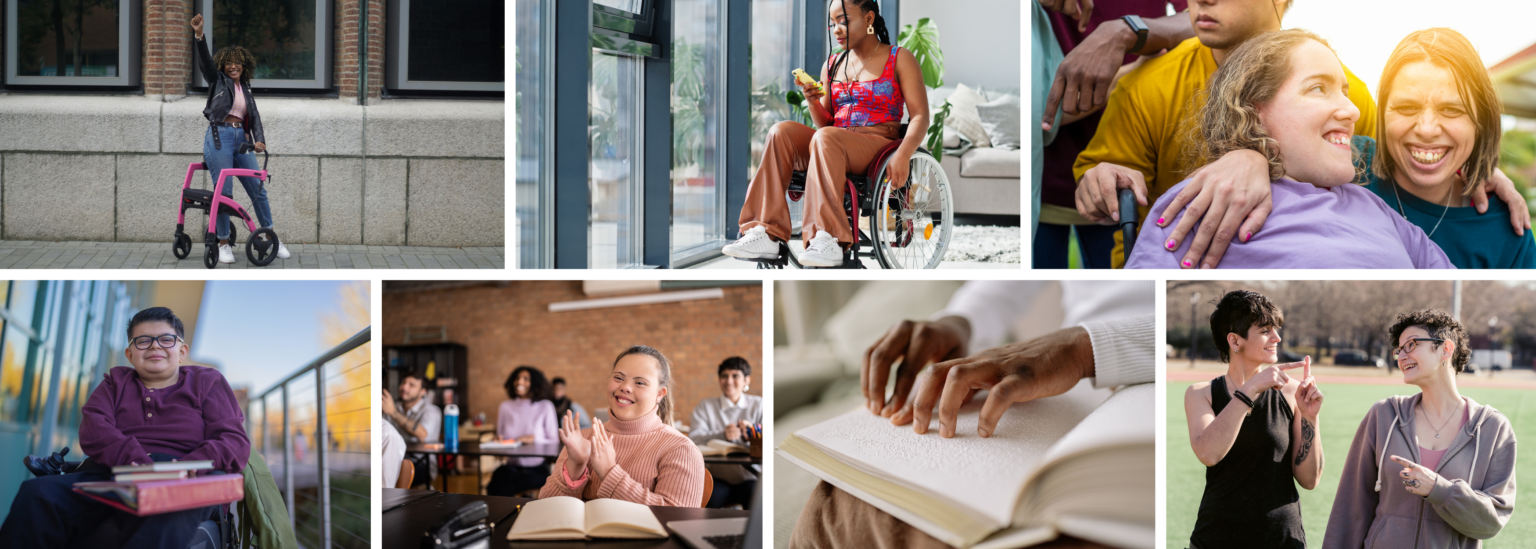
Think of a garden. Each plant has different needs—some require more sunlight, others need shade; some need deep soil, others thrive in shallow ground. But with the right environment, every plant can grow and flourish. Similarly, deaf students with multiple disabilities—sometimes identifying as deafblind, deafdisabled, deafplus, or deaf+—need specific tools and accommodations to thrive academically and socially. Colleges that prioritize accessibility, resources, and support create an environment where all students can succeed, just like a well-tended garden.
The Unique Needs of Deaf Students with Multiple Disabilities
Meet Isabella. She’s a college student who is deaf and autistic. Finding the right support hasn’t always been easy, but with the right accommodations and understanding staff, she’s thriving.
Then there’s Felix, a Deafblind man who utilized ProTactile interpreting and one-on-one meetings with professors to navigate college and get the access he needed. Without that support, he would have been left out of discussions, assignments, and opportunities to connect with his peers. Other students might need captioning, mobility assistance, or alternative ways to communicate. The key is to provide support that meets each student’s unique needs—just like a coach who tailors their strategy to help every player shine.


Making Learning More Accessible
Every deaf student with additional disabilities has lived experiences that colleges need to listen to. Is your college doing enough to support students like Isabella and Felix? When accessibility is not prioritized, gaps within the system negatively impact student experiences. Those experiences might look like a struggle to get the right accommodations, or negative attitudes from faculty, or barriers to bonding with peers through inaccessible campus events. Fostering a sense of belonging for students requires more than meeting minimum standards. Rather, proactively ensuring spaces are accessible with a range of accommodations including (but not limited to) captioned videos, interpreters, note takers, ramps, elevators, and tactile pathways.
Technology can make a huge difference, too. Screen readers, speech-to-text services, assistive listening systems, and adaptive devices help bridge access gaps so students don’t feel left out.


Even with the best resources, support is most effective if staff and faculty know how to use it. That’s why training is key. Picture that garden trying to thrive without the right care. Without guidance and care, those plants won’t grow. The same goes for supporting students with multiple disabilities. Disability services staff, career advisors, and faculty all need to understand how to work together to provide accommodations and communicate effectively with deaf students. Ongoing training on accessibility, disability awareness, and embracing disability can make all the difference!
Engaging with Deaf and Disabled Communities
What makes a college feel like home? It’s not just the classes—it’s the friendships, opportunities, extracurricular activities, and sense of belonging. But for deaf students with additional disabilities, social and career opportunities are inaccessible.
Colleges and training programs can change that by creating spaces where all students feel included. That might mean offering customized deaf-led mentorship programs, ensuring campus events are fully accessible, or connecting students with disability-friendly internships and career services. When students with disabilities see themselves represented and supported, they gain the confidence to go after their dreams.
For more on this topic, check out our newly launched deaf with multiple disabilities resources! As always, NDC is here to help in any way that we can! For individual support, free and confidential one-on-one consultations, or other inquiries, contact our Help Team at help@nationaldeafcenter.org.