
Top Considerations for Assistive Listening Devices and Systems

Published on October 12, 2023

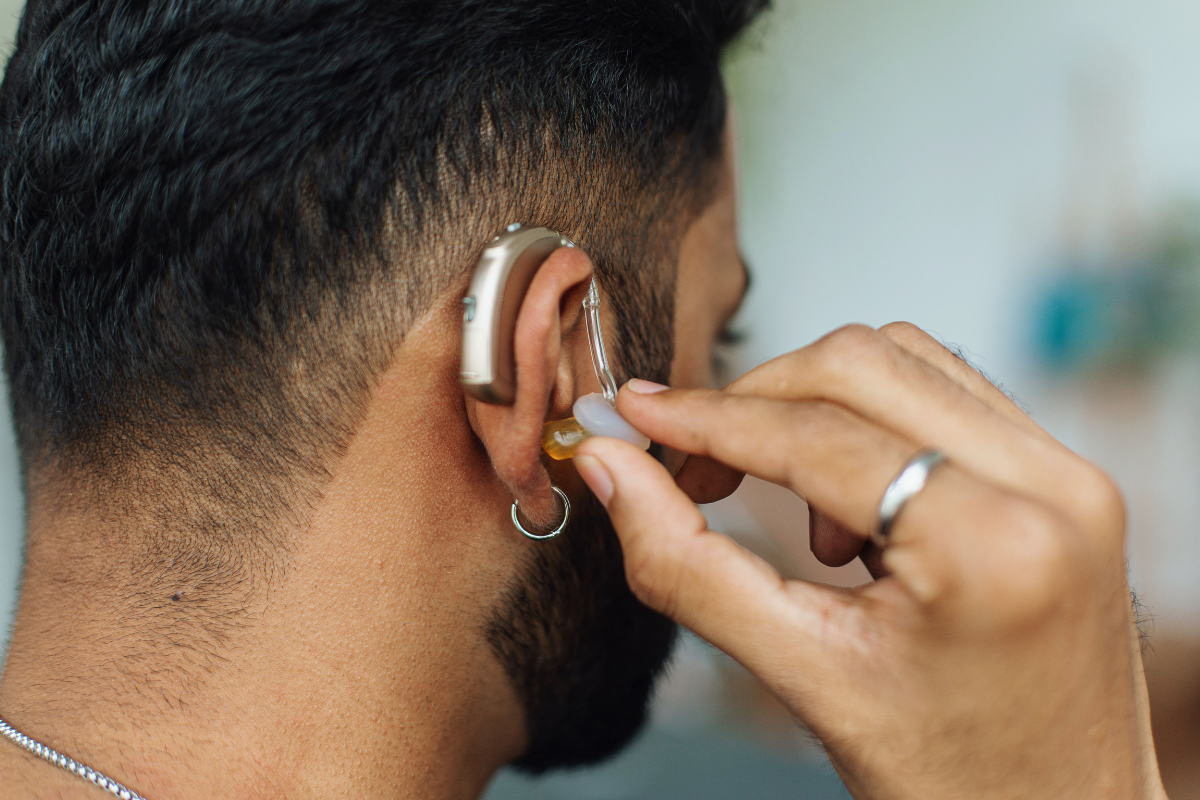
A back side picture of a person putting on a hearing aid.
Diagram web of variety of technologies that helps with assistive listening.

Exploring the purpose and functionality of Assistive Listening Devices and Systems (ALD/ALS) for disability service professionals cannot only enhance their own expertise in serving deaf students, but have a positive impact on the student experience when requesting accommodations.

Accommodation usage is an individualized experience, and needs may vary depending on context, content, setting, and even conversation partners.

Tips for DSS Professionals

Effective implementation and use of accommodations relies on clear communication, collaborative efforts involving the student, faculty, and relevant departments to ensure a seamless experience. Below are some considerations for disability services professionals can take into account when working with a student who has requested an assistive listening device or system.

Learn about Assistive Listening Devices and Systems

Disability services staff should have a comprehensive understanding of what assistive listening devices and systems are, how they work, and the various types available. This knowledge will enable them to properly advise and support students who require ALDs/ALS.

Cultivate Collaborative Relationships

Work closely with the student, faculty members, and relevant campus departments to ensure a seamless integration of ALD/ALS. Collaboration ensures that the student’s needs are met and faculty are aware of how to support ALD/ALS usage in their classroom.

Defer to the Student

Recognize that accommodations are not one-size fits all. Each student’s hearing needs and preferences may vary, so it’s important to engage in a dialogue with the student to determine the best ALD/ALS solution for their specific situation.

Evaluate the Environment Before Deciding

ALD/ALS are needed in various environments, such as classrooms, campus events, and social activities. Disability services should consider the diverse contexts in which students will use ALD/ALS and provide guidance accordingly.

Keep Learning

Stay informed about the latest ALD/ALS technologies and advancements. This knowledge can assist in making informed recommendations and decisions when suggesting ALD/ALS solutions for students.

With these tips and best practices, you can be in a better capacity to serve your deaf students on campus. We encourage you to take our online learning module on assistive listening devices and systems. 
Save This
Please login to bookmark Close
Useful For: Disability Services Professionals

Other News Items

The image shows a composite design with two main sections. On the left, a grayscale side view of a person wearing glasses and looking towards a computer screen, mostly obscured by a textured white overlay. This side is relatively blurred, focusing attention on the right side of the image. The right section features a clear, detailed view of a computer screen displaying a statistical bar chart. The chart is composed of two vertical bars—one teal and the other black—indicating a comparison between two groups, labeled "Deaf" and "All." Numerical values "18" for "Deaf" and "31" for "All" are marked on the bars. The background is green with a dotted white pattern, adding a textured look. A small NDC icon is visible at the lower left corner.
March 16, 2026
Research and Publications, Current Trends
...NDC’s updated Data Dashboard reveals record deaf employment gains alongside persistent workforce gaps, guiding transition supports that expand access to meaningful careers....
A person sits at a marble desk working on a laptop beside an open design book showing color swatches and sketches. Their hands, decorated with henna and colorful nails, rest on the keyboard. A notebook and pen lie nearby, suggesting a creative or design-focused workspace.
November 12, 2025
Online Learning
...Two new NDC modules help campuses strengthen notetaking systems and train notetakers to better support access for deaf students....
A group of seven people are in a professional meeting room. Two women stand at the front of the room, smiling and communicating in American Sign Language (ASL). One woman, wearing a black dress and glasses, is signing while the other, in a black blouse and tan pants, signs back. Behind them is a large flat-screen TV mounted on the wall above a webcam. Five others sit around a long conference table, watching and engaging with the presenters. The table has notebooks, pens, and documents, and the mood appears collaborative and positive.
November 10, 2025
Impact Stories
...Deaf professionals strengthen campus access systems—but too often, they face the same barriers they’re hired to remove....

Need Help?

Fill out this form to get help from the NDC team.  Can’t see the form below? Click here to contact the NDC team.

National Deaf Center