Work Based Learning (WBL) provides deaf students with opportunities to apply what they learn in the classroom to career settings, an important step for preparing them for life after high school. Benefits of WBL programs include improving communication skills, problem-solving skills, and self-confidence. These early hands-on work experiences also lead to improved postsecondary outcomes and sustained long-term employment. Outcomes of WBL programs also show that they can help youth experience greater job satisfaction, build a professional network and references, and lead to higher wages.
Deaf students can learn more about potential careers, better understand their abilities, and improve their time management skills through work-based learning programs.
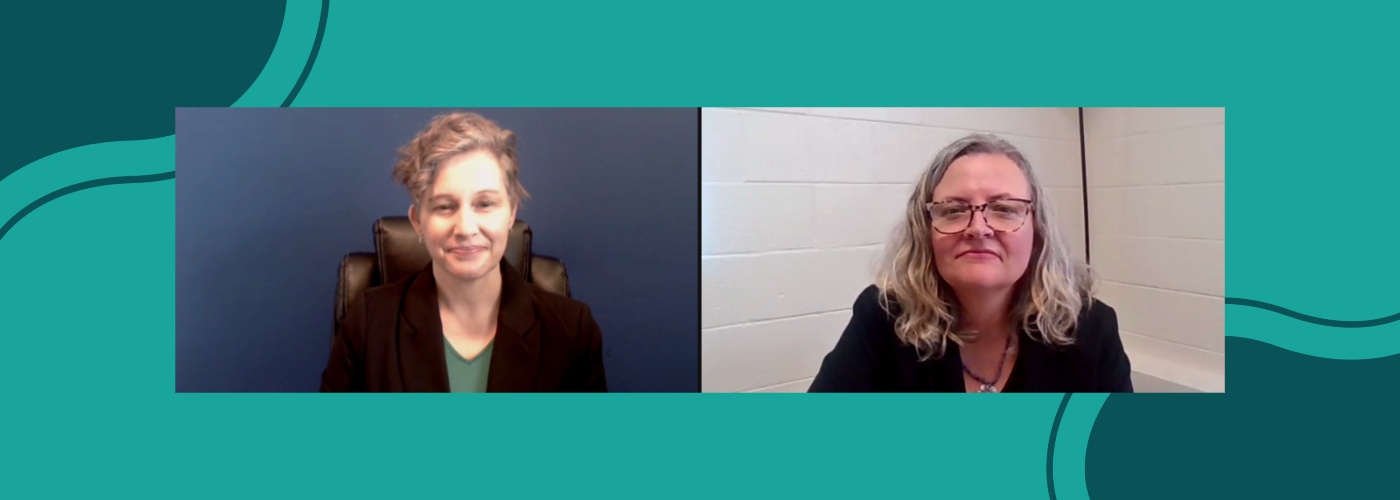
On April 20th, NDC hosted a webinar, Planning and Practice: Work-Based Learning for Deaf Youth, to provide participants with an opportunity to learn from two seasoned professionals, Jennifer Weeks and Kristy Buffington, who shared tips and strategies for developing and sustaining WBL programs for deaf youth.
Watch the Full Video Now!
WBL programs and Virtual Career Exploration (VCE) promote career success for deaf students, which leads to improved social capital and opportunities for engagement. These programs also provide an opportunity for deaf students to work with people they would normally not have contact with, as well as experience a sense of community. Deaf students benefit from opportunities to develop workplace readiness skills that may not otherwise be accessible to them.
Preparing for Future Careers
Jennifer Weeks, Director of Secondary Transition Services
Maryland School for the Deaf
“The Work To Learn program offers a really neat opportunity for students to explore their interests and preferences. It develops their experiences to prepare for life after high school. The students who are involved in our Work to Learn program, as we’ve noticed over the years, develop and improve their academic skills. and competencies because they’re able to see what it is they want to do in the future.
Experiencing different jobs shapes their future and increases motivation for them to do well in school. So it’s been really cool to see that in our program. Our students develop much needed employment competencies. There are so many skills to work on. They learn how to interact and get along with their coworkers, how to know they understand the job, understand career advancement, and offers a safe place for them to thrive and live up to their potential.
And we’re excited about being able to provide that. They are also constantly developing their self-advocacy skills. Sometimes a student may need extra support. In the WBL program, they can practice asking for support where it’s needed.”
On the Job Experience
Kristy Buffington, MA, NIC, Post-Secondary Transition Coordinator
Idaho Educational Services for the Deaf and the Blind
“Students 18 to 21 years of age work there and earn money from vocational rehabilitation. They’re paid for work experience and they have different kind of stations. They’re within the food truck. They have a soup station, the sandwich station, prep station. And then outside the bus there’s a table. And that’s the person who, you know, front faces and interacts with the customers.
Every week, the bus is opened right there on the property of the School for the Deaf every Thursday. Also, people from our community have been wonderful and some people from outside the school will come to the bus to order sandwiches and soup. So every week the students alternate whatever station they’re working at. That way they can experience each of those stations and each of those different job skills.
It’s been really cool and it’s been a great opportunity for students to learn interaction with hearing consumers, learn how to exchange money, and again, those hard and soft skills.”
Employers Want to Help
Jennifer Weeks, Director of Secondary Transition Services
Maryland School for the Deaf
“Fredrick, Maryland has a robust deaf community. That is helpful to us because often, businesses large and small are eager to serve the deaf community so that they become customers, shopping at their stores or eating in their restaurants.
That puts business owners in the position to want to tap into our resources in the deaf community. Because of that, they are willing to offer work experience opportunities for our students in kind. It’s a beautiful win-win situation. The flourishing deaf community here is beneficial to our program.
Also, employers know the importance and the value of providing work experience early on, to train students for the skills employers know will be critical. They want to help the future generations as they come to the employers for work experience. Those employers truly want to make a difference in the lives of deaf youth. The employers are generally passionate about providing that type of opportunity. Additionally, we cover the students’ salaries, so that benefits the employer.”
Ready to Learn More?
Find more resources and stories below and visit our career readiness page for more information on this topic.
- Measuring Work Based Learning for Continuous Improvement
- Developing Accessible Work Based Learning Programs Online Learning Module
- Creating Work-Based Learning Programs for Deaf Youth
- Aimee’s Story: Shadowing
- Liz’s Story: Effective Communication
- Zach’s Story: Internship
If you have any questions, please contact our Help Team at help@nationaldeafcenter.org.