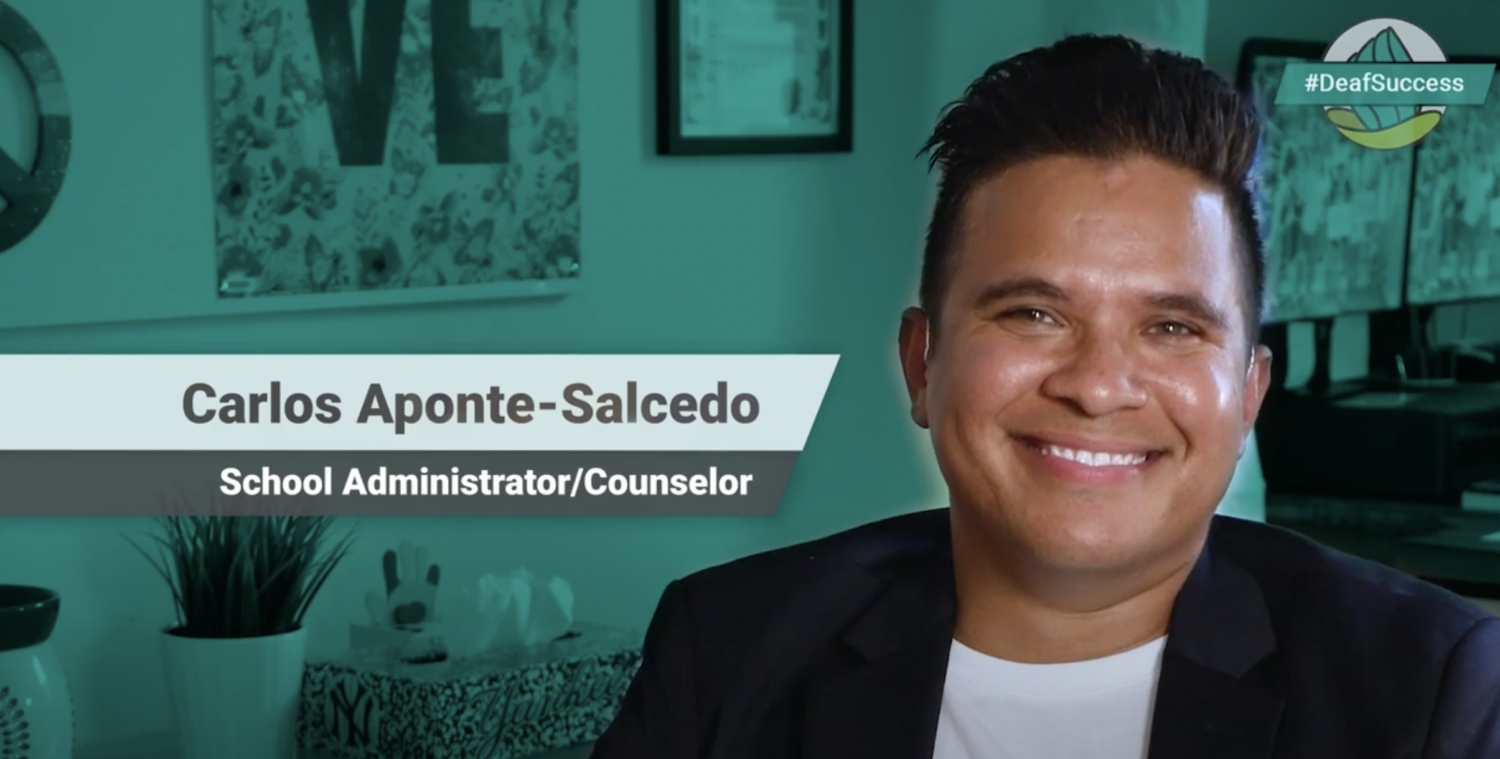
Video description: https://tinyurl.com/s4m42uk
For Carlos Aponte-Salcedo, representation matters.
The New York City native is the newest profile in the #DeafSuccess video series by the National Deaf Center on Postsecondary Outcomes. Featuring firsthand accounts from deaf Americans, #DeafSuccess videos show deaf youth the wide variety of paths adulthood can take and seek to empower them to have high expectations for the future.
When asked how he felt to be featured in a #DeafSuccess video, Aponte-Salcedo focused on the importance of representation.
“I take great pride in [being featured]. Growing up, I did not have role models that look like me,” said Aponte-Salcedo. “I was not exposed to marginalized groups’ stories. To have a platform where deaf youth can have access to other deaf adults, in this case me personally, who is a person of color and part of the LGBTQ community, is of utmost importance.”
A Career in Mental Health
In his #DeafSuccess story, the school counselor/administrator for deaf and hard of hearing children reflects on his high school and college experiences, how working at a camp for deaf children shifted his career goals from accounting to counseling, and his work with families and kids.
Aponte-Salcedo’s video release is timed with Mental Health Awareness Month in May. As coordinator of the mental health team at the Lexington School for the Deaf in Queens, he provides one-on-one counseling services for about 20 to 25 students in kindergarten through 12th grade, in addition to serving as administrative director of the residential program.
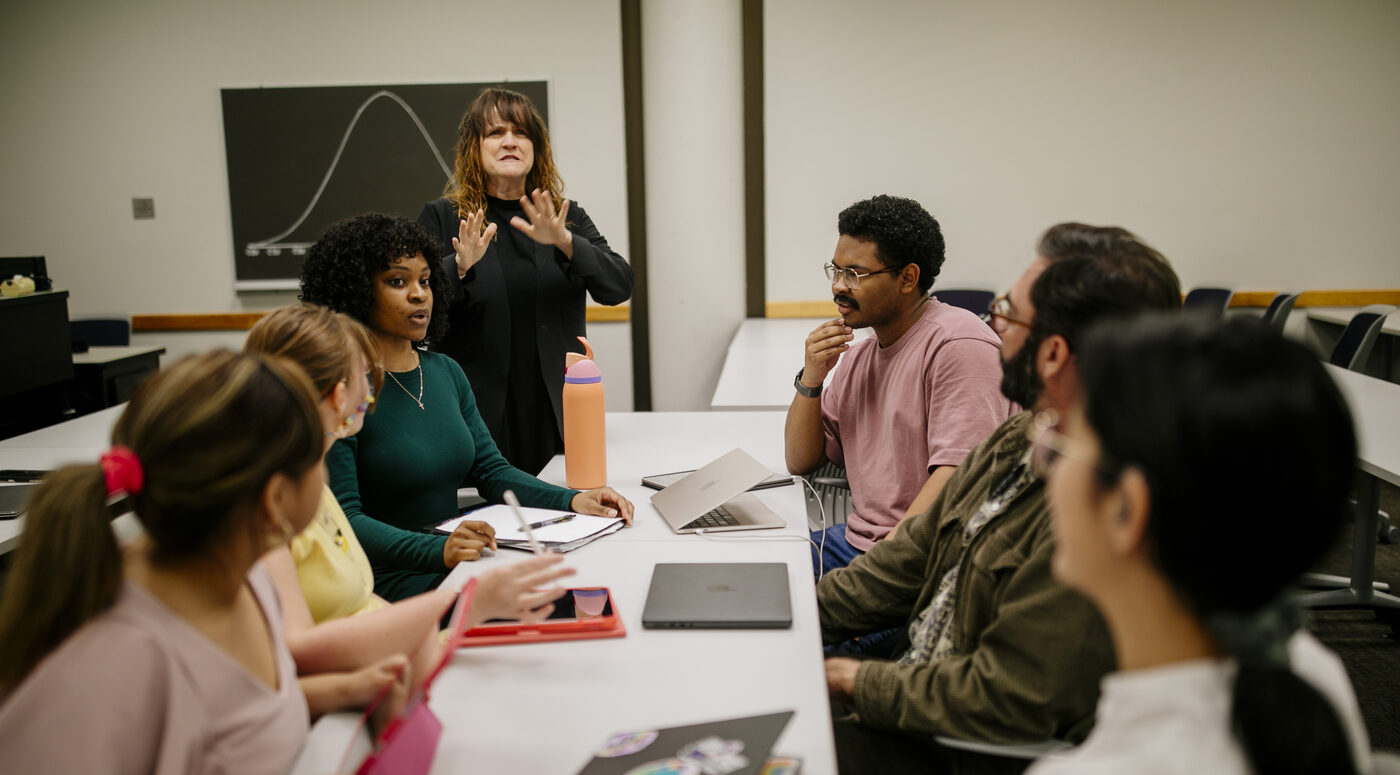
In his story, Aponte-Salcedo explains how he regularly meets with deaf students and their hearing parents — many of whom don’t use American Sign Language (ASL) — with the assistance of an ASL interpreter.
“The student typically shares what they are considering for their future career, what subjects they are struggling with, or other goals they’ve set for themselves. I have seen families cry as they realize their child has dreams, thoughts, and feelings. They are really seeing their child for the first time through an interpreter,” said Aponte-Salcedo in his profile.
Counseling can last months or years, depending on what deaf students need, how they develop coping strategies, and if they can reach their goals.
“That progress of their journey is critical in order for the student to try to understand themselves as they navigate their way through the challenges in a hearing world,” he said.
Advice for Coping with COVID-19
Aponte-Salcedo’s #DeafSuccess video also debuts during the COVID-19 pandemic, as deaf children and teenagers try to cope with going to school from home, being isolated from friends, and dealing with fear and uncertainty. His advice to them? Embrace all the feelings and find someone to trust.
“During a pandemic experience, you may be feeling different feelings day in and day out. It helps if you can acknowledge what your feelings are and process them. Give yourself time to feel,” Aponte-Salcedo advises. “When feeling scared, confused and overwhelmed, seek support from someone you trust. This can be your counselor, teacher, support service providers, and/or trusted family member or friend. If you have access to technology, take advantage of apps that are available to you, such as Marco Polo and live video chat (i.e. Zoom).”
Relying upon a self-care strategy or two can also help.
“In the midst of COVID-19 pandemic, I have been walking daily with my two dogs. My mother joins me on most days. We walk for 30 to 45 minutes. During those walks, I try to do grounding exercises by observing my surroundings. I have been reading more novels and comic books. Also, I was introduced to the Rummikub online app, and this is something I enjoy playing probably five times a day with my friends,” said Aponte-Salcedo.
#DeafSuccess is Unique
In defining “deaf success,” he observes the individuality and range of the deaf experience.
“Deaf success means being able to achieve something significant to oneself despite the obstacles thrown their way. What this looks like from one person to another can be different, and that is what makes success stories personal and unique,” said Aponte-Salcedo.
Watch #DeafSuccess: Carlos Aponte-Salcedo, School Counselor/Administrator
The National Deaf Center’s #DeafSuccess videos are used by educators, vocational rehabilitation counselors, disability services professionals, parents, and anyone seeking to empower deaf youth and young adults to succeed after high school.
They feature trained professionals who reflect the vibrant variety of the deaf community, experience, and identity. Research shows role models, mentors, and high expectations for the future positively influence deaf youth and can help reduce gaps in their education and employment.
Past #DeafSuccess profiles include a patrol sergeant, physician, graphic novelist, educator, and a muralist/environmentalist.