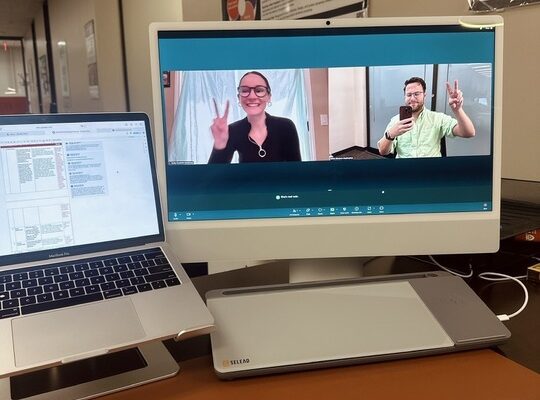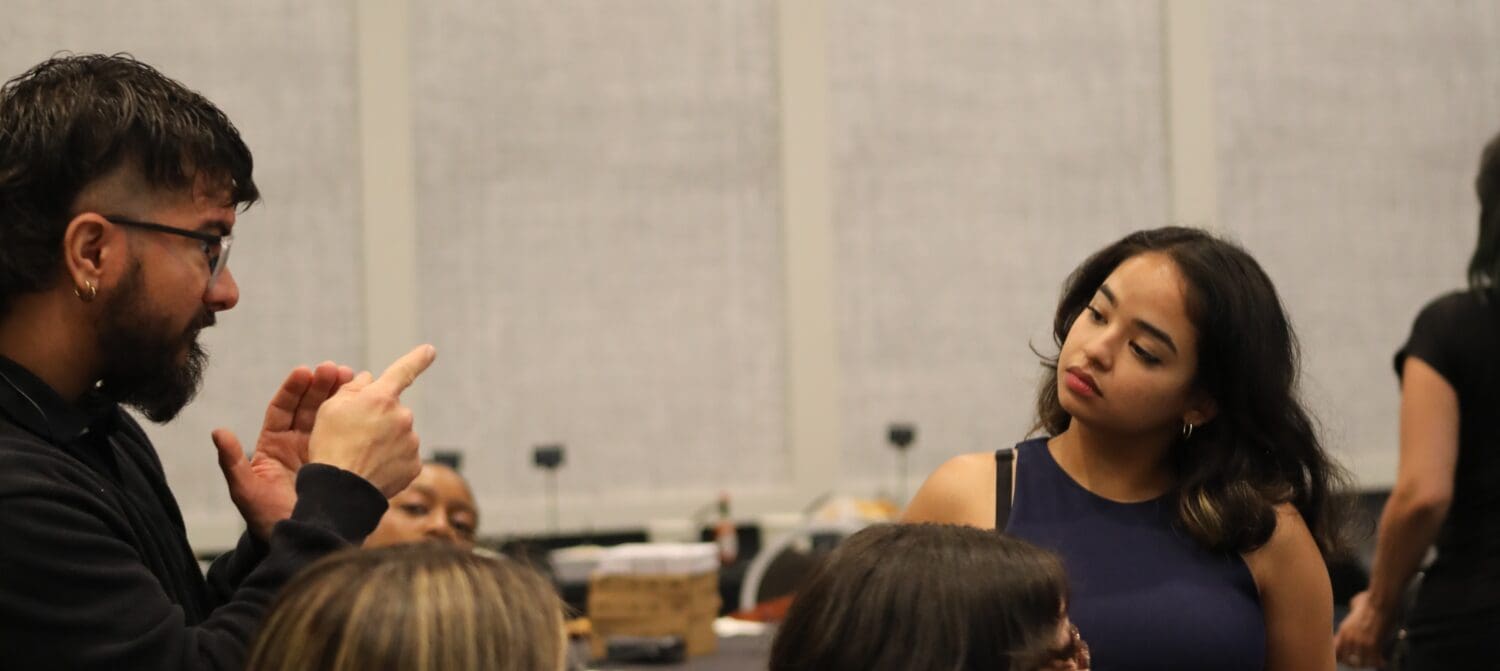

¡Hola a todos! 👋
Somos Kelton y Molly, asistentes de investigación de posgrado de NDC en el equipo de investigación y datos. Es posible que nos conozcas por hacer cálculos, charlar con estudiantes en entrevistas, o incluso por compartir uno o dos memes de Moo Deng. Básicamente, estamos aquí para mantener las cosas en movimiento y asegurarnos de que NDC esté atendiendo a los estudiantes donde se encuentren.
Pero aquí está la novedad: también somos estudiantes y (recientemente) padres adoptivos de mascotas.
¡Saluden a Mulan y June! (también conocidos como: nuestros revisores pares no oficiales)
¡Aquí tienes más sobre nosotros!
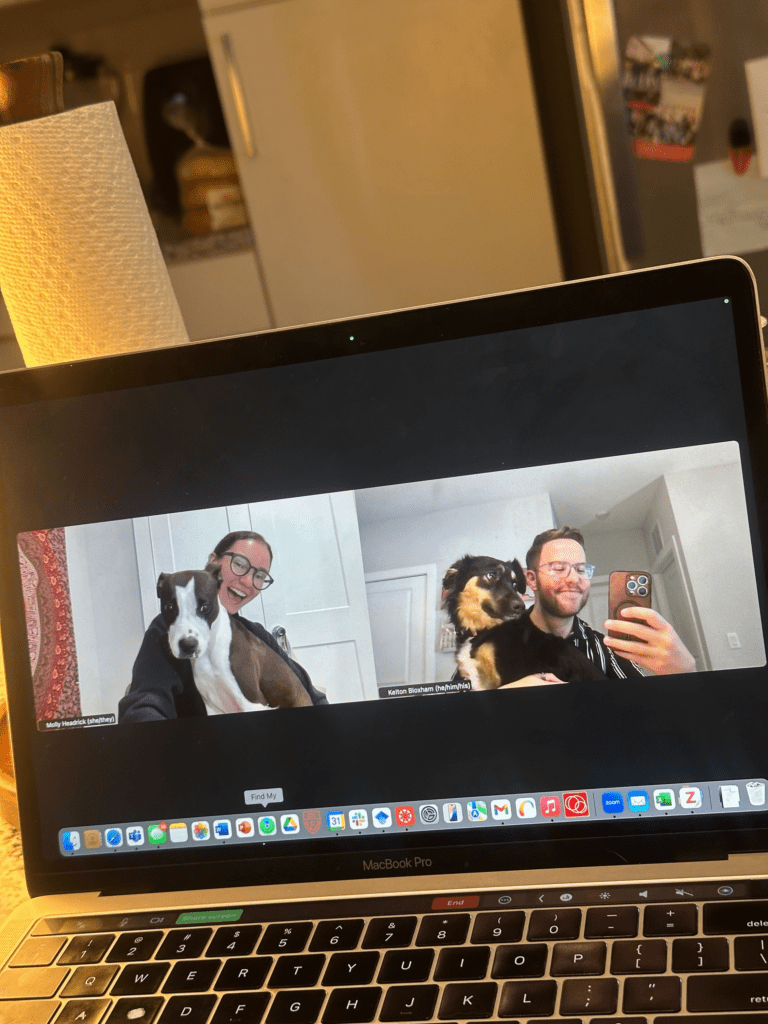

Kelton Bloxham
él / lo / su
Kelton es estudiante de posgrado en la Universidad de Texas en Austin, estudiando Liderazgo y Políticas de Educación Superior.

Molly Headrick
ella / ellos
Molly es una estudiante de posgrado sorda en la Universidad Gallaudet, estudiando Estudios de Sordos con concentración en Estudios Culturales.
Ambos somos estudiantes, ambos investigadores, con experiencia en gestionar nuestros propios alojamientos, y ambos inmersos en las entrevistas sobre pertenencia de NDC, donde hemos estado viendo y aprendiendo historias increíbles directamente de estudiantes sordos universitarios de todo el país, sí, ¡literalmente del Oeste al Este!
Entonces, aquí está el asunto — cuando dices “pertenencia,” todos piensan que saben lo que eso significa… pero luego cuando intentas desglosarlo, es bastante resbaladizo. ¿Se trata de tener amigos? ¿Te sientes incluido? ¿Te sientes visto? ¿Todo lo anterior?
Hemos estado entrevistando (¡y todavía estamos entrevistando!) a estudiantes universitarios sordos de todo el país. Nos conectamos con estudiantes de una amplia variedad de antecedentes y tipos de instituciones, lo que nos dio una visión general de la vida universitaria de personas sordas en la actualidad. Ahora, estamos emocionados de compartir algunos de los temas que seguían apareciendo, junto con citas anónimas de estudiantes que realmente capturan sus voces.
Spoiler: They did phenomenal!
Secciones
Tema 1: Participación estudiantil — "Puedo ser miembro, pero no completamente"
Se supone que la participación estudiantil es el latido del corazón de la vida universitaria: clubes, eventos, roles de liderazgo, ensayos nocturnos, todas esas actividades que ayudan a los estudiantes a sentirse conectados más allá del aula. Pero para muchos estudiantes sordos con los que nos hemos conectado, ese latido puede parecer fuera de sincronía cuando no se ha incorporado el acceso.
Un estudiante de una gran universidad del Medio Oeste compartió:
Técnicamente, puedo ir a cualquier lugar, pero en realidad no es así. Solo tengo que esperar que la organización con la que esté no ponga resistencia respecto a los alojamientos... Así que sí, puedo ser miembro, pero ¿una membresía de pleno derecho que asista regularmente? No. Me sentiría muy mal por ellos (la organización estudiantil que paga por los servicios de interpretación), y siento que soy una carga.
Esa palabra — Los resultados se interpretan mejor junto con otros factores, incluyendo tu edad, historia menstrual, salud general y qué tan manejables encuentras tus síntomas en la vida cotidiana. — surgió mucho. No se trata de motivación o interés; los estudiantes sordos querer involucrarse El problema es que la participación a menudo conlleva demandas mentales y logísticas que la mayoría de sus compañeros oyentes o no discapacitados nunca tienen que considerar. Aunque ningún estudiante es una carga, muchos compartieron que a veces se sienten como tal, un sentimiento que es moldeado por instituciones que nunca fueron creadas pensando en ellos.
Al mismo tiempo, también escuchamos historias de estudiantes que son invitados a participar en el proceso de toma de decisiones, mostrando que el cambio es posible cuando sus voces son valoradas desde el principio.
Ese mismo estudiante luego compartió:
Sirvo en el Consejo de Asuntos Académicos aquí... Recientemente, tuvimos que eliminar el programa de educación para sordos... Yo fui la única persona que votó en contra de cerrarlo, y eso fue realmente molesto para mí. Ser uno de los pocos estudiantes sordos en esta institución, llevar esa carga solo, se siente realmente pesado.
Esta cita nos recordó cuán a menudo los estudiantes sordos y discapacitados terminan siendo los únicos en la sala abogando por las necesidades de la comunidad sorda. El liderazgo estudiantil suele ser un puesto voluntario y no remunerado, y hay un costo para ello, especialmente para los estudiantes sordos.Es trabajo emocional, y puede agotar la motivación con el tiempo. Si te sientes así, no estás solo — NDC tiene un video sobre lidiando con el agotamiento por defensa vale la pena verlo.) Sin embargo, también muestra el poder de los estudiantes que se esfuerzan, incluso cuando los desafíos son demasiado grandes para enfrentarlos solos.
Y luego, están los puntos brillantes — ejemplos de lo que sucede cuando la pertenencia es intencional. Momentos y espacios intencionales que incluso algunas de estas instituciones predominantemente auditivas han creado para ayudar a sus estudiantes sordos a sentir más un sentido de comunidad.
Un estudiante de una universidad del sureste que estudia enfermería compartió con nosotros:
Me uní a un Comunidad de Aprendizaje Viviente Mi primer año, y mi piso era una zona de Lengua de Señas Americana donde todos usaban lengua de señas. Muchos de los estudiantes eran majors en ASL o interpretación, y, en mi primer año, era la única estudiante sorda, así que la gente estaba muy interesada en conocerme. Incluso el RA firmó, lo que facilitó la conexión. Teníamos reuniones semanales y salíamos con frecuencia, y así conocí a muchos de mis amigos más cercanos; tres de ellos siguen siendo mis mejores amigos ahora como juniors. Esa experiencia realmente me dio un sentido de pertenencia, con amigos y con el personal que podía comunicarse conmigo en mi idioma.”
Momentos como este muestran cómo es el acceso real: los estudiantes no tienen que "trabajar" para pertenecer; la pertenencia está integrada en el entorno. Una organización, evento o grupo de pares accesible puede marcar toda la diferencia. Incluso un solo amigo en el campus puede mejorar el bienestar, la retención y el apego institucional. Cuando la comunicación fluye de manera natural — sin buscando intérpretes o solicitando subtítulos — los estudiantes pueden centrarse en lo que importa: la comunidad. La conclusión es simple: la participación estudiantil no debería depender del costo o de quién tenga en su esquina. Cuando el acceso está integrado, la pertenencia no es condicional; simplemente es.
Prácticas prometedoras para colegios y estudiantes para promover la participación estudiantil
Para universidades
- Aclare las responsabilidades de acceso con anticipación. Las organizaciones estudiantiles y los departamentos deben tener procedimientos claros y documentados sobre quién cubre los costos de interpretación o subtitulado, y compartir esa información. antes los estudiantes tienen que preguntar.
- Deja de usar "así funciona el sistema" como excusa. Los estudiantes no necesitan explicaciones sobre los obstáculos presupuestarios; necesitan acción, creatividad y colaboración.
- Asuma la responsabilidad del acceso. Cuando las universidades coordinan el apoyo entre departamentos, la participación se vuelve posible para todos, no solo aquellos dispuestos a luchar por ello.
- El acceso no es opcional, es la base. No puedes construir una comunidad universitaria comprometida si algunos estudiantes son excluidos desde el principio.
Para estudiantes
- Recuerda: El acceso viene primeroNo es un complemento; es la base para la comunidad y el sentido de pertenencia.
- Haz preguntas creativas. Si algo no existe (¡como un club nuevo!), pregunta cómo empezarlo. Tu curiosidad puede abrir nuevas puertas para ti mismo y otros.
- Cuida de ti mismo en la defensa. Si eres la primera voz en la sala que aboga por el acceso, sabe que tu comunidad está contigo — no estás solo en el trabajo. Si necesitas escalar, NDC tiene una guía sobre cómo presentar una queja.
- Sea observador al recorrer las escuelas. Pregunta sobre el acceso cuando veas volantes de eventos, viviendas en el campus u organizaciones estudiantiles. Observa cómo responden las personas; sus respuestas pueden decirte mucho sobre cuánto apoyo recibirás.
- Confía en tu instinto. La universidad es una gran inversión, y tus necesidades de acceso deben ser atendidas con el mismo compromiso y respeto que aporta tu esfuerzo.
Con todo esto en mente, queremos mostrar lo que está funcionando en nuestras entrevistas y las "banderas verdes" que los estudiantes buscan al explorar los próximos pasos en sus trayectorias académicas.
Tema 2: "Banderas verdes" de la universidad — Qué muestra a un estudiante sordo que pertenece
Cuando los estudiantes sordos hablan sobre la elección universitaria, no solo piensan en clasificaciones, distribución de dormitorios o paquetes de ayuda financiera; están buscando lo que llamamos banderas verdes Estas son las señales sutiles (y a veces no tan sutiles) que le dicen a un estudiante sordo: "Aquí te apoyarán. Aquí te verán."
Para muchos estudiantes que entrevistamos, la búsqueda de pertenencia comenzó mucho antes del día de la mudanza.
Un estudiante en el sureste que estudia enfermería nos dijo:
Fui y visité esa escuela y me di cuenta de que habría sido el primer estudiante sordo que tendrían en su universidad, y no quería eso. No quería convertirme en la experiencia de aprendizaje para la oficina de accesibilidad — enseñarles cómo encontrar un intérprete, manejar todas las otras cosas. Simplemente no era algo que quisiera hacer durante la universidad. Decidí no ir allí por eso. Simplemente no podía imaginarme allí.
Ese momento — decidir no convertirse en una "experiencia de aprendizaje" — refleja cuánto peso adicional tienen los estudiantes sordos al tomar decisiones universitarias. El estudiante no cuestionaba su capacidad o motivación; estaban evaluando si la institución tenía hizo su tarea sobre el acceso. Otros estudiantes describieron buscar lo que llaman presencia sorda — signos de la cultura, el idioma y la comunidad sordas entrelazados en la vida universitaria. Y para otros, se encontraron banderas verdes en la intersección de múltiples identidades, donde la cultura sorda se encontraba con la raza, la herencia o la identidad de género.
Otro estudiante que asiste a una HBCU en el sureste compartió:
Tuve la opción de ir a una institución predominantemente sorda, pero honestamente, cuando pensaba en la universidad, realmente quería enfocarme en mi identidad negra. Al crecer, no tuve mucha exposición a las HBCUs hasta que llegué aquí y aprendí más sobre la cultura y las tradiciones. Ese énfasis en la excelencia y la comunidad negra realmente me llamó la atención — se sentía poderoso ver a personas que se parecían a mí y que querían verme prosperar. Me sentí cómodo, pudiendo ser yo mismo, y al mismo tiempo expuesto a tantos tipos diferentes de personas.
La historia de este estudiante muestra que sentirse parte no es algo que sirva para todos por igual. Para algunos, la identidad sorda es fundamental; para otros, la pertenencia se forma en espacios raciales o culturales compartidos. Para muchos, es una mezcla de ambas—o de todas—las partes de quienes son. Lo que los conecta es el deseo de conexión sin compromiso: ser completos, no fragmentados, en el campus.
A través de las entrevistas, notamos un patrón: las señales verdes a menudo aparecían cuando El acceso era visible y estaba anunciado. no escondido tras papeleo o horas de oficina.
Un estudiante que asiste a una pequeña escuela privada de artes liberales en el noreste compartió algo con nosotros que es realmente único:
Mi escuela recientemente inició una nueva iniciativa en la oficina de servicios para discapacitados que proporciona a los estudiantes una lista completa de adaptaciones comunes, organizadas por tipo de discapacidad. Antes de esto, ni siquiera sabía que una política de asistencia flexible era una opción para mí. Tener esa lista ayudó a “levantar el telón”: me dio el lenguaje para defenderme, me ayudó a entender el proceso y mostró que la oficina realmente se preocupaba por la accesibilidad más allá de las adaptaciones “estándar”.
Ese pequeño acto — transparencia — indicó cuidado. Les dijo a los estudiantes que el acceso no era un favor, era una expectativa. Cuando las universidades normalizan la representación, comunican: No eres una carga, eres un miembro de esta comunidad.
Y no se trata solo de oficinas o políticas. Las banderas verdes también aparecen en el entorno: las personas, los programas e incluso las vibraciones del espacio. Un estudiante que asiste a una universidad del sur nos contó cómo encontró pertenencia de una manera inesperada:
Cuando recorrí mi escuela, conocí a otro estudiante sordo que trabajaba en el centro estudiantil. Me mostraron el lugar, me presentaron a personas e incluso me ayudaron a averiguar a quién contactar para la interpretación. Solo ver a otra persona sorda empleada en el campus me hizo sentir que era un lugar donde también podía tener éxito.
Momentos como ese importan. La representación y la visibilidad no son simbólicas; son estructurales. Ver a otra persona sorda prosperar en la vida universitaria envía un mensaje silencioso pero poderoso: Tú también puedes.
Prácticas prometedoras para colegios y estudiantes en la detección y creación de señales positivas
Si hay una lección de estas historias, es que las señales verdes no se tratan de gestos grandiosos. Ellos están a punto preparación Los estudiantes sordos notan cuando las universidades anticipan sus necesidades en lugar de reaccionar a ellas. Aquí están algunas de las recomendaciones que queremos presentar no solo a los estudiantes, sino, lo más importante, a las universidades que los atienden.
Para universidades
- Mostrar acceso temprano. Incluya intérpretes, subtítulos y visibilidad en Lengua de Señas Americana en eventos de admisión, recorridos por el campus, presencia en redes sociales y en su sitio web.
- Promueve la presencia de personas sordas. Resalte los programas para sordos, clubes de ASL y profesores o personal sordos en los materiales de divulgación.
- Sé transparente. Comparta ejemplos de alojamientos, explique cómo solicitarlos y aclare quién cubre los costos de acceso.
- Asume la responsabilidad. No dejes que los estudiantes sordos descubran por sí mismos cómo acceder. La carga de navegar el acceso—además de navegar la vida universitaria—ya es pesada y no debería recaer únicamente en el estudiante.
Para estudiantes
- Haz tu investigaciónVerifica si la información de acceso está claramente listada en línea; si tienes que buscarla, eso es una señal de advertencia.
- Confía en tu instinto. Si una visita al campus te hace sentir invisible o como si fueras "el primero", está bien alejarse.
- Busca a tu gente. Busca señales de una comunidad sorda, ya sea un evento de ASL, un programa de intérpretes, una iniciativa de orgullo por la discapacidad u otro grupo de identidad que sea afirmativo.
- ¡Ven preparado! Conéctate con exalumnos sordos que conocen la institución mejor que tú. Tenerlos no solo te brinda una experiencia compartida y una persona de apoyo, sino que también te da una mejor comprensión de la institución.
- Es tu matrícula, tiempo y energía invertidos en tu futuro. No te conformes — asegúrate de que sea lo correcto para ti.
Cuando los campus anuncian acceso y los estudiantes sordos se ven reflejados en el entorno, la pertenencia comienza incluso antes de que comience la primera clase. Las banderas verdes dicen a los estudiantes, No tienes que luchar por tu lugar aquí — ya te está esperando.
¿Quieres profundizar más? Explora los recursos de NDC en creando campus acogedores.
Tema 3: Convertirse en uno mismo en la universidad — Encontrar la compatibilidad y el crecimiento
La universidad puede ser un punto de inflexión para los estudiantes sordos, no solo en lo académico, sino también para descubrir quién eres, qué te importa y dónde sientes que perteneces. Para muchos, es la primera vez que comienzan a construir confianza en su identidad sorda en sus propios términos.
La confianza a menudo juega un papel importante en ese crecimiento. Un estudiante sordo del Medio Oeste comparte:
He aprendido que una de las habilidades más importantes que necesitaba en la universidad es comportarme con confianza. Cuando realmente aceptas tu discapacidad o sordera, deja menos espacio para que otros hagan comentarios, e incluso si lo hacen, no te afectan tanto. Solía llevar siempre el cabello suelto en la secundaria, pero ahora he empezado a llevarlo recogido. Está bien si la gente ve mis implantes cocleares.
Es una declaración sencilla, pero poderosa: ese cambio de esconderse a presentarse como uno mismo. La universidad se convierte en un espacio para experimentar con eso, para ver cómo se siente simplemente ser. Además, un recordatorio amable de que "encajar" no siempre llega de inmediato. Toma tiempo. A veces lo encuentras en lugares inesperados, y otras veces lo construyes tú mismo.
Le preguntamos a otro estudiante cómo fue la transición de una escuela secundaria para sordos a una HBCU con predominancia de oyentes. Esto es lo que nos compartieron:
Sí, por supuesto que fue difícil al principio. Pero aprendí a cambiar de código. Aprendí a hacer más preguntas y a comunicarme realmente con las personas que me apoyan. Participar en diferentes organizaciones me ayudó a sentirme conectado con la escuela, hacer amigos y ganar confianza en mí mismo, especialmente al interactuar con las personas de nuevas maneras.
Este tipo de crecimiento no sucede de la noche a la mañana. Son los momentos cotidianos — aprender a defenderte, unirte a un nuevo grupo o darte cuenta de que puedes liderar una organización — los que poco a poco construyen esa sensación de "Lo tengo".
Y a veces, se trata de probar algo completamente nuevo. Este mismo estudiante de la HBCU afirma:
Me involucré en una organización de baile, lo cual no es algo que normalmente haría, ¡pero es muy divertido! Sin duda es un desafío — la música, el ritmo, los altos estándares — pero he crecido mucho. Vi al grupo por primera vez durante la feria de organizaciones estudiantiles de mi primer año y me fui involucrando cada vez más con el tiempo. Me han enseñado todo tipo de estilos de baile, y he conocido a personas de tantos orígenes diferentes. Luego, comencé a unirme a otras organizaciones también, y eso me dio aún más confianza. Esos espacios hicieron que mi campus empezara a sentirse como mi segundo hogar. Aunque soy la primera y única estudiante sorda aquí, ya no me siento sola.
Puedes sentir el cambio en estas historias — de ser el “único” encontrar comunidad a través de experiencias compartidas, oportunidades para conectarse y verse a uno mismo como parte de ella. Así es como se ve el crecimiento: no solo sobrevivir a la vida universitaria, sino vivirla realmente.
Ahí es donde nos dirigimos a continuación: cómo los campus pueden tomar lo que hemos aprendido de estas historias y convertirlo en un cambio real.
Prácticas prometedoras y consejos: Encontrar tu ajuste y convertirte en tu verdadero yo
Para universidades
- Ofrecer programación basada en la identidad y proporcionar/comercializar acceso a estos espacios para estudiantes sordos. Comparten múltiples identidades con frecuencia, y las universidades deberían ayudarlos a explorar estas identidades y a convertirse en más ellos mismos.
- Haz que la visibilidad de las personas sordas sea parte de la vida en el campus. Resalta a los estudiantes sordos, profesores y exalumnos en historias, eventos y roles de liderazgo
- ¡Invierte en capacitación! La autoexploración no debería recaer en una sola oficina. Equipa a tu personal de vida residencial, profesionales de asuntos estudiantiles, profesores e incluso al personal de comedor con las herramientas para apoyar a los estudiantes y encontrarlos donde estén. Incluso una breve capacitación sobre personas sordas o el lenguaje de señas básico puede marcar una diferencia significativa. Comparte la responsabilidad.
- Involucra a los estudiantes sordos en la planificación del campus, comités y procesos de retroalimentación. No tomes decisiones solo acerca de ellos—tomar decisiones con ellos. Sus experiencias vividas ofrecen conocimientos fundamentales que mejoran el acceso y la pertenencia para todos.
- Fomentar la colaboración entre Servicios para Personas con Discapacidad, Asuntos Estudiantiles, Atletismo y oficinas basadas en la identidad. Los estudiantes sordos a menudo viven en la intersección de múltiples comunidades; tus estructuras deberían reflejar eso.
Para estudiantes
- Date el espacio para crecer. Algunos estudiantes que entrevistamos no necesitaban organizaciones en el campus para explorar sus identidades, pero otros sí. Sé intencional al reservar tiempo en tu día para enfocarte en ti mismo, tus intereses y tus pasatiempos.
- ¡Toma el riesgo! Únete a clubes, eventos u organizaciones que te saquen un poco de tu zona de confort. El crecimiento suele comenzar allí.
- Encuentra a tu gente. Ya sea a través de grupos de sordos, organizaciones basadas en la identidad o intereses compartidos, la conexión hace que el campus se sienta más como en casa.
- La confianza proviene de aceptar tu identidad, incluida la sordera. Ya sea mostrando tus implantes, usando intérpretes o firmando con orgullo, tu visibilidad ayuda a normalizar el acceso y fomenta el orgullo en los demás, también. Asegúrate de rodearte de personas que también celebren tus identidades.
- El acceso no es una solicitud única; es un proceso continuo. Comunícate con profesores, intérpretes y personal antes surgen desafíosCuídate, construye tu red de apoyo y no tengas miedo de pedir ayuda cuando la necesites. Mereces un entorno donde puedas prosperar, no solo sobrevivir.
Pensamientos finales y cómo NDC puede ayudar
Con estos temas en mente, queremos terminar no solo con reflexión, sino con acción y conexión. A lo largo de nuestras entrevistas, preguntamos constantemente a los estudiantes sordos:
¿Cuál sería una recomendación que compartirías con NDC para ayudar a mejorar las experiencias de los estudiantes sordos universitarios?
Sus historias y lo que tienen que aportar nos guían. Como investigadores, solo podemos mostrar una parte de la historia. Incluso cuando compartimos idioma, hay límites en lo que podemos captar por nuestra cuenta. Por eso queremos seguir elevando sus perspectivas y construir puentes de recursos hacia ustedes, nuestros lectores.
Muchos estudiantes sordos enfatizaron que lo que funciona para ellos no es lo mismo para todos, rechazando la idea errónea de que todas las personas sordas son iguales. A menudo, los estudiantes comienzan diciendo: «Esto es lo que me funciona» o comparten cómo descubrir una nueva adaptación los apoyó en un momento específico. Desde la perspectiva de los servicios para discapacitados, no es realista esperar familiaridad con las necesidades de cada estudiante sordo, y eso está bien. Lo importante es reconocer que existe variación y saber cuándo y dónde puedes acudir en busca de ayuda. De hecho, muchos estudiantes crecen ya sabiendo esto y llevan esa mentalidad consigo a la universidad.
La pertenencia se ve diferente para cada persona. El camino de cada estudiante hacia la conexión es diferente, y por eso nuestras formas de apoyar también deberían serlo.
Si eres un estudiante sordo, un profesional de servicios para discapacitados o un miembro del personal universitario que busca herramientas, apoyo o comunidad, aquí tienes algunos recursos de NDC que puedes consultar ahora mismo:
| Recurso | Para qué ayuda |
|---|---|
|
Tu centro de referencia para navegar la vida universitaria como estudiante sordo. Desde comprender tus derechos hasta elaborar solicitudes de adaptación efectivas, estas guías te guían paso a paso para facilitar el acceso al campus y fortalecer la autoabogacía. |
|
|
Explora experiencias reales de estudiantes y profesionales sordos que han estado donde tú estás ahora. Sus historias destacan soluciones creativas, lecciones aprendidas y formas de prosperar, perfectas para cuando necesitas un poco de inspiración o tranquilidad de que no estás solo. |
|
|
Vea cómo las experiencias de los estudiantes sordos universitarios moldean las conversaciones nacionales sobre acceso y pertenencia. Incluso puedes compartir tu propia historia o participar en estudios en curso para ayudar a mejorar los sistemas de apoyo en los campus. Comparte tu historia o únete a un estudio en curso. |
|
|
Planificar lo que viene a continuación, ya sea transferirse, buscar pasantías o comenzar una carrera, puede ser abrumador. Estas herramientas te ayudan a establecer metas, explorar vías de transición y conectarte con recursos diseñados específicamente para estudiantes sordos. Síguenos y ¡Suscríbete a nuestros boletines! |
La pertenencia no sucede solo así; se construye a través del acceso, el apoyo y el esfuerzo compartido.
Está bien, hablando en serio — si has llegado hasta aquí, básicamente eres un miembro honorario de nuestro equipo de investigación (pronto te conseguiremos una pegatina de NDC).
Esperamos que este mensaje te recuerde que sentirse parte no se trata de integrarse — se trata de siendo visto Sigue encontrando a tu gente, sigue pidiendo lo que necesitas y sigue ocupando espacio. Prometemos — el campus es mejor contigo en él.
Antes de que te vayas, solo recuerda: la universidad es donde comienzas a moldear quién eres, y eso nunca es una línea recta. Probarás cosas, cambiarás de dirección, quizás incluso reinventarte (unas cuantas veces). Dios sabe que sí lo hemos hecho, más de una vez. Ese es el punto.
Sigue persiguiendo lo que se siente auténtico, rodéate de personas que entiéndelo y no olvides que perteneces — no porque lo hayas ganado, sino porque ya eres suficiente.
¡Gracias por crecer con nosotros!
Esperamos que este artículo te inspire, ya seas estudiante, educador o defensor, a ver la pertenencia no como una casilla que marcar, sino como una esfuerzo vivo y palpitante. Si alguna vez quieres compartir ideas, ofrecer comentarios o colaborar en cómo NDC puede apoyar mejor a los estudiantes sordos, estamos aquí para aprender contigo.
¿Tienes tu propia historia sobre pertenencia en la universidad?
Nos encantaría escucharlo, e incluso tal vez destacarlo en una publicación futura. ¡Contacta con NDC en cualquier momento!